Expense Categories
Curriculum and Educational Materials

What expense category is Curriculum and Educational Materials?

Learn what expense category Curriculum and Educational Materials is for accurate accounting.
Last updated: October 29, 2025

See Why Top Teams Trust Sage Expense Management

G2 Crowd logoRating stars4.6/51670+ reviews

For a church or religious organization, providing educational resources is a core part of its mission. The costs for purchasing these materials—from Bible study books and Sunday school lessons to youth group curriculum—are a fundamental and necessary expense of carrying out your program activities.

For tax and financial reporting purposes, the way you categorize these costs depends on their expected useful life. This guide will clarify how to classify curriculum and educational materials according to standard accounting principles and IRS rules to ensure your organization's financial reporting is accurate and transparent.

Curriculum and Educational Materials Category

For a church or religious organization, the costs of curriculum and educational materials are a direct program expense. This is because they are used to directly fulfill your educational and religious mission.

For bookkeeping and tax purposes, the specific expense account depends on the useful life of the materials, based on the principles in IRS Publication 535:

  1. Supplies (Currently Deductible): The cost of materials that are normally used within one year is a currently deductible expense. This includes consumable items like student workbooks, weekly lesson handouts, and arts and crafts supplies.
  2. Depreciable Assets (Capitalized): If a curriculum set or reference library has a useful life that extends substantially beyond the year they are placed in service, it is a capital asset. The cost must be capitalized and recovered over time through depreciation.

Important Considerations While Classifying Curriculum and Educational Materials

The most critical factor is distinguishing between a consumable supply and a long-term capital asset.

Program Supplies vs. Administrative Supplies

It is essential to separate materials used for your mission from those used for general overhead.

  • Program Supplies: Curriculum and materials for your congregation (e.g., Sunday school, youth group). These are direct program expenses.
  • Administrative Supplies: Reference books for staff on topics like nonprofit management or accounting. These are management and general (administrative) expenses.

The One-Year Rule

This is the primary test for classification. If a book or curriculum is designed to be used up or becomes obsolete within one year, it is a supply. If it is a durable, multi-year resource (like a video series or a reference encyclopedia), it should be capitalized.

The De Minimis Safe Harbor Election

To simplify recordkeeping, IRS Publication 535 provides a de minimis safe harbor election. This allows you to deduct the cost of tangible property in the current year if it falls below a certain threshold (generally $2,500 per item or invoice for organizations without an applicable financial statement). This is a practical way to expense many curriculum purchases that might otherwise need to be capitalized.

Tax Implications and Recordkeeping

Properly accounting for these materials is essential for your organization's financial statements and annual IRS reporting.

How to Report the Expense

For organizations that file a Form 990, these costs are reported as program service expenses in Part IX.

  • Supplies: Consumable materials are included on Line 24, Other expenses, and allocated to the Program Services column.
  • Depreciation: The annual depreciation for capitalized curriculum is included on Line 22, Depreciation, depletion, and amortization.

What Records to Keep

You must have documentary evidence to substantiate all your curriculum and material costs. Your records should include:

  • Invoices from publishers and suppliers.
  • Receipts for all material purchases.
  • Proof of payment.

How Sage Expense Management (formerly Fyle) Automates Expense Tracking for Curriculum and Materials

Sage Expense Management helps your ministry leaders and administrative staff capture and organize all your educational material purchases, ensuring every cost is documented and allocated correctly.
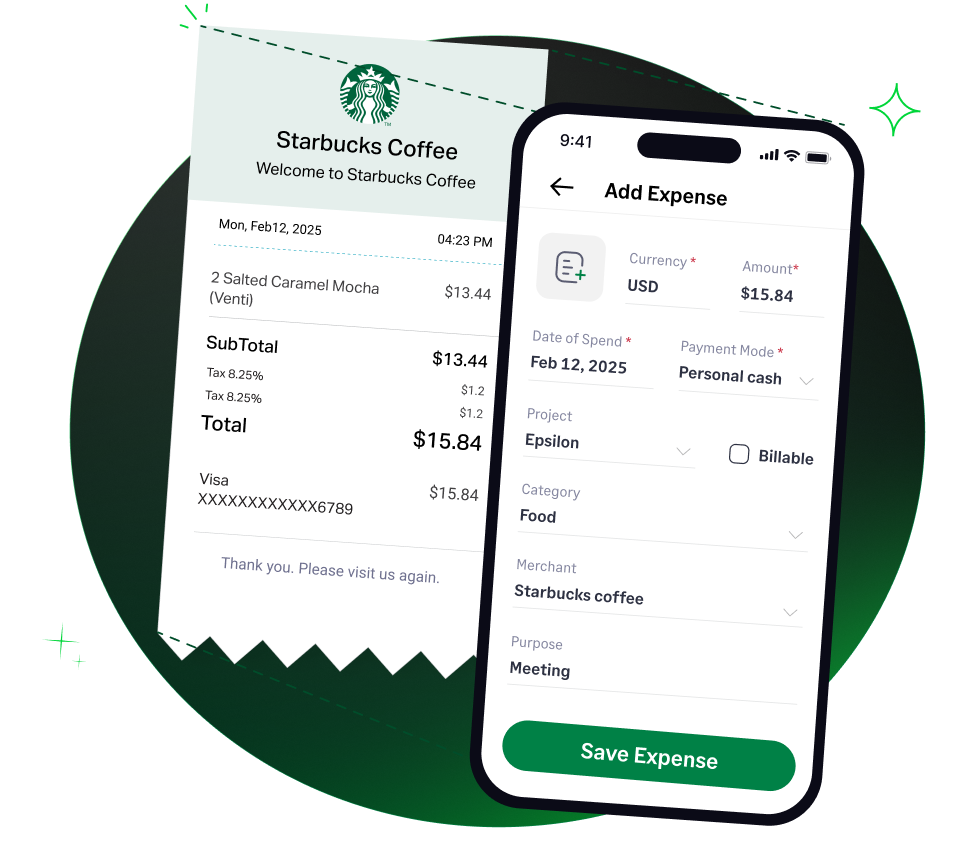
  • Capture Receipts Instantly: Staff and volunteers can snap pictures of receipts for curriculum or supplies using the our mobile app.
  • Track by Ministry or Program: Code every purchase to a specific ministry, like Youth Group or Sunday School, for precise budget tracking.
  • Centralize Publisher Invoices: Forward or attach your curriculum providers invoices directly to Sage Expense Management for automatic and accurate data capture.
  • Automate Your Accounting: Sync categorized program expenses directly to the correct GL account in QuickBooks, Xero, NetSuite, or Sage Intacct.

Expense Management That Works

Where You Work

Explore Sage Expense Management
Fyle app preview
TASA logo
101-500 Employees
Sage Expense Management has helped our Finance Department tremendously. We no longer have to chase after our employees for receipts and/or ask them to code their expenses. This has allowed us to redirect that time and energy to other aspects of our business.
Noemi Peña, Chief Financial Officer
While this article provides accurate information, it's not a substitute for professional, legal or financial counsel. Always seek advice from an attorney or financial advisor for advice with respect to the content of this article.
Learn more about Sage Expense Management software.

One manual coding error takes 18 minutes to fix

Reclaim up to 40 hours a month with our playbook

Thank you for downloading!

A copy of
this resource
 is waiting for you in your inbox. If you want to access it immediately, please click
here
.