Expense Categories
Pastoral Discretionary Fund

What expense category is Pastoral Discretionary Fund ?

Learn what expense category Pastoral Discretionary Fund  is for accurate accounting.
Last updated: October 29, 2025

See Why Top Teams Trust Sage Expense Management

G2 Crowd logoRating stars4.6/51670+ reviews

A pastoral discretionary fund is a common and valuable tool in ministry, allowing clergy to respond quickly and compassionately to the immediate needs of individuals in the congregation or community. These funds are typically used for acts of benevolence, such as helping a family with a utility bill or providing a meal to someone in crisis.

While the purpose of these funds is charitable, their administration is one of the most complex and scrutinized areas of church finance. Church leaders must understand that these funds belong to the church, not the pastor, and must be accounted for with strict controls to ensure compliance with IRS regulations. This guide will clarify how to categorize payments from a discretionary fund and the essential rules you must follow.

Pastoral Discretionary Fund Expenses Category

Payments made from a pastoral discretionary fund to individuals or families in need are a direct program expense.

Specifically, on the Form 990, these payments are reported in Part IX (Statement of Functional Expenses) on Line 1, Grants and other assistance to domestic individuals. This classification signifies that the payments are a primary activity that directly carries out the church's charitable mission. They are not a personal expense of the pastor or a general administrative cost.

Important Considerations While Classifying Pastoral Discretionary Fund Expenses

To protect the church's tax-exempt status and ensure the funds are not treated as taxable income to the pastor, you must adhere to several strict IRS rules.

The Church Must Control the Funds

This is the most critical rule. The discretionary fund must be an accountable fund of the church. This means:

  • The church, not the pastor, has ultimate control and discretion over the use of the funds.
  • Donations to the fund are contributions to the church, not to the pastor personally. As detailed in IRS Publication 526, a donor cannot deduct a contribution that is earmarked for a specific individual. The church must be the final authority on how the funds are disbursed.

Substantiation is Required

The pastor must be required to substantiate how the funds were used. While the identity of the recipient can be kept confidential from the general church body, the pastor must account to a designated person (such as the church treasurer or an elder) for how every dollar was spent. This turns the fund into an accountable plan for the church.

Distinction from Pastor's Compensation

If there is no accountability and the pastor has unrestricted control over the fund to use as they see fit, the IRS will treat the entire fund as additional taxable income to the pastor. In that case, the payments would be categorized as wages, and the church would be responsible for all applicable payroll taxes.

Tax Implications and Recordkeeping

Properly accounting for discretionary fund payments is essential for your organization's financial statements and annual IRS reporting.

How to Report the Expense

On Form 990, payments from an accountable discretionary fund are reported on line 1 and must be allocated to the program services column. This demonstrates to the IRS that the funds were used to directly fulfill the church's charitable mission.

What Records to Keep

You must maintain meticulous and confidential records for all discretionary fund activities. Your records should include:

  • A formal, board-approved policy governing the use of the fund.
  • Confidential records kept by the pastor and reviewed by a designated church official, showing the date, amount, and charitable purpose of each disbursement (e.g., rent assistance, meal for needy family).
  • Receipts for any purchases made from the fund.
  • Proof of payment, such as copies of checks or records of cash disbursements.

How Sage Expense Management (formerly Fyle) Can Automate Expense Tracking

Sage Expense Management provides a secure and confidential way for a pastor to document discretionary fund expenses, creating a clear audit trail for the church's financial oversight.
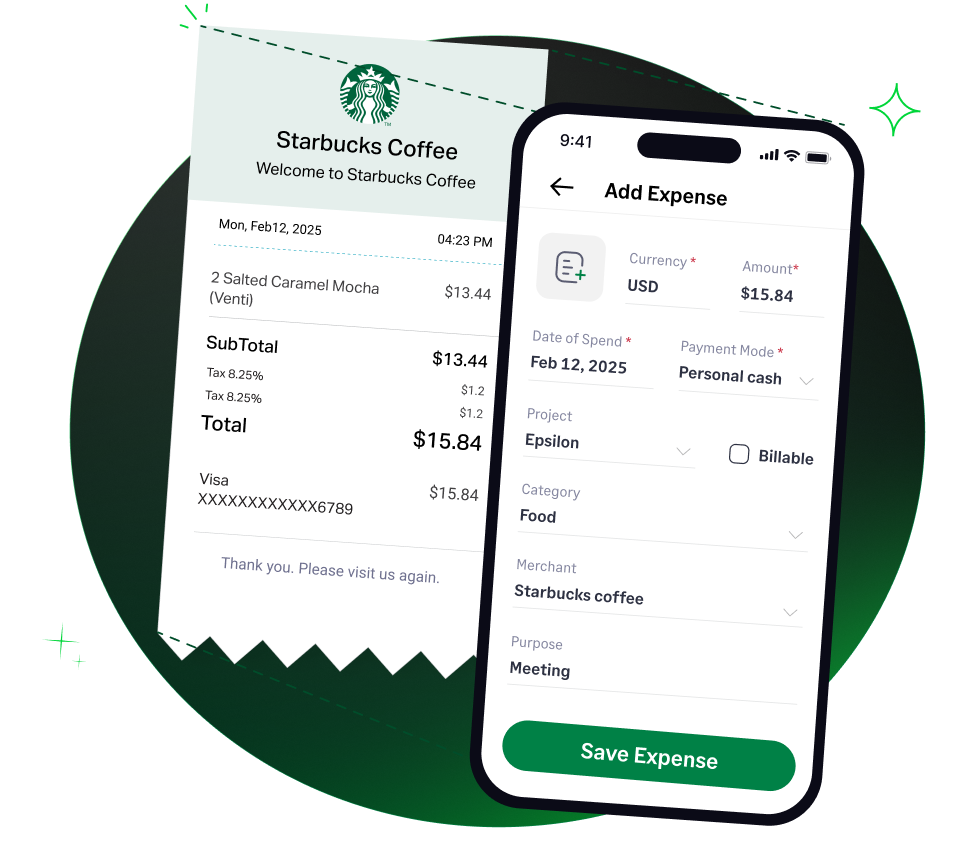
  • Confidential Receipt Capture: The pastor can instantly and confidentially capture a receipt for a benevolent purchase using the mobile app.
  • Track by Program: All disbursements can be coded to the pastoral discretionary fund for accurate program expense reporting.
  • Create a Clear Audit Trail: Sage Expense Management maintains a time-stamped, unalterable record of each expense for confidential review by the church treasurer.
  • Automate Your Accounting: Sync the categorized program expense directly to the correct GL account in QuickBooks, Xero, NetSuite, or Sage Intacct.

Expense Management That Works

Where You Work

Explore Sage Expense Management
Fyle app preview
TASA logo
101-500 Employees
Sage Expense Management has helped our Finance Department tremendously. We no longer have to chase after our employees for receipts and/or ask them to code their expenses. This has allowed us to redirect that time and energy to other aspects of our business.
Noemi Peña, Chief Financial Officer
While this article provides accurate information, it's not a substitute for professional, legal or financial counsel. Always seek advice from an attorney or financial advisor for advice with respect to the content of this article.
Learn more about Sage Expense Management software.

One manual coding error takes 18 minutes to fix

Reclaim up to 40 hours a month with our playbook

Thank you for downloading!

A copy of
this resource
 is waiting for you in your inbox. If you want to access it immediately, please click
here
.