



Two Giants Of Expense Management - But Are They Holding Your Business Back?
When it comes to expense management, Expensify and Concur are two names that often rise to the top. They promised to streamline the reporting process, automate workflows, and simplify tracking expenses. However, the reality doesn’t always match the promise.
Both tools have their quirks and frustrations that often leave users looking for a better solution.
In this blog, we’ll compare Expensify and Concur based on real user reviews, uncover their benefits and limitations, and find out if there’s a smarter, more flexible choice out there for you.
Expensify - More Frustration Than Automation?
What Expensify Promises
Expensify claims to offer:
- One-click receipt scanning and automated expense approval workflows.
- Discounts and perks if users adopt their proprietary card.
- Plans starting from $5 per user per month–but reality tells a different story.
What users are really saying
Expensify aims to offer seamless expense management, but businesses often find themselves struggling with hidden challenges. Let’s dive deeper into the most common user frustrations and what they mean for businesses:
The real-time misrepresentation
Many platforms market a Bring Your Own Card (BYOC) feature with the promise of real-time transaction sync. To a busy controller, this implies that the second a card is swiped at a job site, the transaction hits the dashboard.
But this is not a technical reality. They rely on bank feeds (aggregators like Plaid or Yodlee). These feeds don't see the transaction when the swipe happens; they only see it when the bank processes and posts the data - often 24 to 48 hours later.
If you want to see the gap for yourself, ask their support one question: "If I swipe my existing Chase card at 9:00 AM, will the transaction show up in the app at 9:00 AM?" The answer is no. You are still on the bank’s schedule. This latency means you’ve already lost the window to capture the receipt while it’s in the employee's hand.
True real-time visibility requires a direct network feed to Visa and Mastercard - something most all-in-one platforms simply don't offer your existing cards.
Unpredictable pricing
Expensify’s pricing model can change without notice, with some users reporting unexpected increases as high as 80% to 4x their original rates. These hikes are often communicated vaguely, such as through spam emails or feature updates, catching businesses off guard.
{{rcb-1="/quote-banners"}}
Source: Reddit
What this means for businesses? Budget planning becomes difficult when price increases happen without consent, leaving companies stuck in long-term contracts with no option to downgrade or modify plans.
Penalties for not adopting the expensify card
Expensify’s pricing incentives are tied to the adoption of their proprietary card. Companies that don’t meet the card usage threshold face unbundling fees, driving up their subscription costs. As one frustrated user put it:
{{rcb-2="/quote-banners"}}
Source: G2
What this means for businesses: Businesses that want to continue using their existing credit cards have to pay more, leading to higher costs, lost rewards, and fewer options for managing expenses.
Community Insight: Recent discussions within the accounting community on r/Accounting and r/QuickBooks - highlight a growing frustration with bundled financial models. Many professionals report that while the software itself is functional, the pricing becomes a significant burden for companies that prefer to maintain their existing banking relationships.
The charge card constraint: No safety valve for cash flow
Many popular fintech card-first solutions operate on a charge card model rather than a traditional credit card model. While traditional business credit cards allow you to carry a rolling balance if necessary, charge cards require the full balance to be paid in every cycle.
Furthermore, the credit limits on these fintech cards are often tied directly to your current bank balance rather than your long-term business creditworthiness. This creates a significant risk to your operational agility.
Because your spending power fluctuates based on your daily cash-on-hand, you lose the safety valve that traditional credit provides during rapid growth phases or temporary cash flow pinches. A sudden drop in their bank balance could lead to an immediate, automated reduction in their credit limit, potentially leaving field teams unable to make critical purchases.
Sage Expense Management solves this by remaining card-agnostic, allowing you to keep the reliable, high-limit credit lines and rolling balance flexibility you’ve already established with your primary bank.
Poor customer support and cancellation challenges
Expensify’s Concierge service is intended to offer quick, helpful responses, but users often report slow service and unresolved issues. Worse, canceling or modifying an account becomes nearly impossible, leaving businesses stuck paying for services they no longer need.
{{rcb-3="/quote-banners"}}
Source: Reddit
What this means for businesses? When support is slow, and cancellation policies are rigid, businesses waste valuable time managing issues and dealing with unplanned expenses.
{{poor-support="/cta-banners"}}
Concur - Complexity Wrapped in a Slow Interface
What Concur Promises
Concur claims to offer:
- E-receipts and direct credit card integration, reducing the need for manual data entry.
- Multi-currency and multi-language support, making it ideal for businesses with global operations.
- Automated workflows to enhance visibility and control over spending.
What users are really saying
While Concur offers a comprehensive platform, many users struggle with outdated technology, slow interfaces, and rigid processes. Here’s a closer look at the most common frustrations and their impact on businesses:
Outdated UI that wastes time
Concur’s interface feels clunky and outdated, making even simple actions like saving or editing reports painfully slow. Users often have to repeatedly save entries, waiting for the system to catch up with every action.
What this means for businesses? These delays reduce employee productivity, forcing finance teams to spend hours on tasks that should take minutes, pulling them away from more strategic activities.
Excessive manual work and complex workflows
Concur’s processes are overly complex, requiring the same data–like GL codes or attendee lists–to be entered multiple times across different fields. Users report confusing workflows and high chances of introducing errors during data entry.
{{rcb-4="/quote-banners"}}
Source: Reddit
What this means for businesses? These inefficiencies increase the workload on finance teams, leading to unnecessary delays in expense reporting and slowing down financial reconciliation.
Delayed implementation and overpromising
Concur’s implementation timeline is often much longer than initially promised. In some cases, businesses that signed contracts were later told that the timelines were unrealistic, forcing them to scramble to meet deadlines.
{{rcb-5="/quote-banners"}}
Source: G2
What this means for businesses? Delays in setup and missing features can significantly impact operations, especially when businesses are promised smooth integrations that never materialize. Teams are left scrambling to meet deadlines while waiting on the platform to become fully functional.
Frequent outages and performance issues
Concur’s platform is prone to frequent outages and server downtime, making it difficult for businesses to submit reports or track expenses in real time. These outages cause significant disruptions, especially for companies with tight deadlines.
What this means for businesses? Frequent outages disrupt workflows, causing missed deadlines, delayed reimbursements, and inaccurate financial tracking.
Rigid cancellation policies and limited support
Concur enforces a strict 90-day cancellation policy, preventing businesses from quickly switching to alternative providers. Additionally, users report poor support and unresponsive account executives, leaving them with little help when issues arise.
What this means for businesses? Businesses are often locked into long-term contracts without flexibility, forcing them to continue using a solution that no longer meets their needs. This stifles operational agility and leaves companies frustrated.
Expensive and full of hidden costs
Many businesses have found that Concur misrepresents its pricing, often claiming certain features are included, only to inform clients later that they’ll need to pay for upgrades to access them. These hard-sell tactics leave companies feeling misled and frustrated, especially when key features don’t function as promised.
What this means for businesses: This type of bait-and-switch pricing can significantly increase the overall cost of using Concur, making it unaffordable for smaller companies or businesses working with tight budgets.
{{dont-settle-for-outdated-system-concur="/cta-banners"}}
Why Businesses Are Moving Away from Legacy and Card-Locked Expense Tools
The Freedom to Choose Your Bank
The way businesses manage expenses is evolving, and tools like Concur and Expensify are getting left behind. Today’s finance leaders want flexibility. They want tools that integrate easily with their existing workflows, not ones that require retraining employees or changing banks. The market is shifting toward "card-agnostic" solutions. These platforms allow businesses to keep their existing credit cards and bank relationships while gaining the benefit of real-time software automation.
The Controller’s Verdict: Why Switching Cards is a Non-Starter
A common recurring theme we noticed in conversations with finance leaders is a strong reluctance to abandon long-standing banking relationships. Many firms have spent years building credit history and accumulating high-value travel points or cash-back perks with nationalized banks.
One controller explicitly stated that their firm loves their points and described switching cards just to access software features as a non-starter that disrupts established financial benefits.
The Volatility of Fintech Limits vs. Traditional Credit
Whether it’s legacy platforms that take months to implement or card-first tools that force companies into rigid contracts and card usage, finance teams are realizing these systems weren’t built for how modern businesses operate. Card-first models like Expensify can limit cash flow flexibility by offering charge cards with no rolling credit and tying pricing to card usage.
What Our Customers Said: The Risk of Floating Limits
Beyond the allure of rewards, the underlying credit model of many card-first tools introduces a level of operational volatility that established firms find hard to stomach. In a recent conversation with a Finance Director, they described the shift to a balance-based fintech card as risky business - a move that could jeopardize their daily operations.
- The daily balance trap: Unlike traditional corporate cards that look at your long-term creditworthiness, many fintech credit lines are linked directly to your company's daily bank balance.
- Stifled growth: Our customers have noted that this model leads to sudden, unpredictable limit drops. If you make a large material purchase or a significant payroll run, the algorithm may see a lower bank balance and instantly slash your credit limit - at the exact moment you need the most financial breathing room.
- Stability over volatility: For organizations with lumpy cash flow, the stability of a fixed bank limit is a strategic necessity. As one user put it, they need a card that won't be declined at a job site just because a client is two days late on an invoice.
That’s why businesses are shifting towards platforms like Sage Expense Management (formerly Fyle) - tools that offer real-time expense visibility without dictating how you operate. As companies prioritize scalability, transparency, and control, the one-size-fits-all, high-friction tools are becoming a thing of the past.
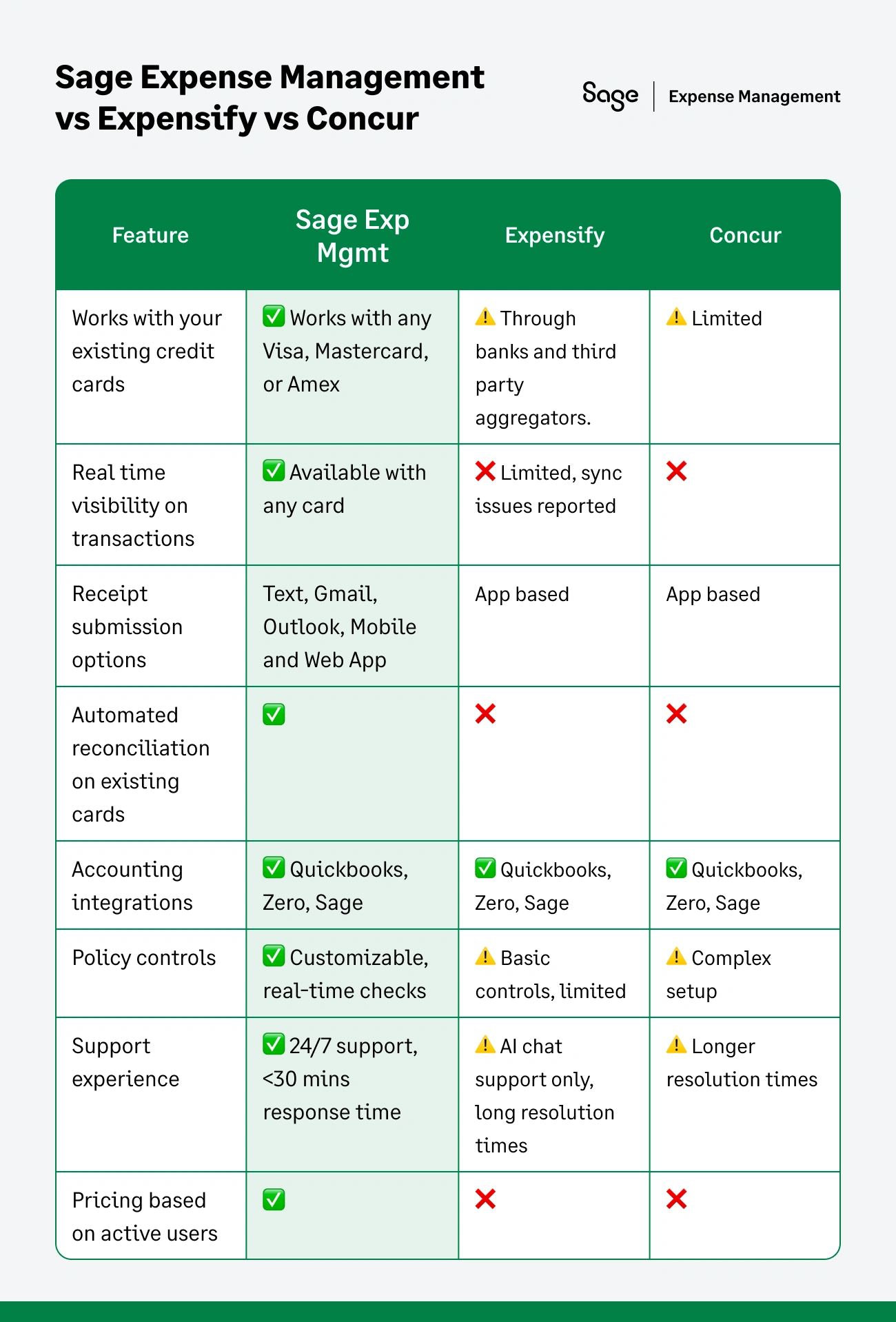
Why You Should Explore Sage Expense Management (Formerly Fyle)
In the search for a suitable expense management solution, businesses are left juggling between price hikes, rigid processes, outdated interfaces, and clunky integrations, leaving them frustrated and searching for better alternatives.
This is where Sage Expense Management steps in. No hidden fees, no forced card adoption, and no need to wrestle with complex workflows - just seamless, real-time expense management built to make your life easier. Let's look at how Sage Expense Management outshines the competition and delivers true flexibility to businesses.
Real-Time Credit Card Feeds On Your Existing Cards
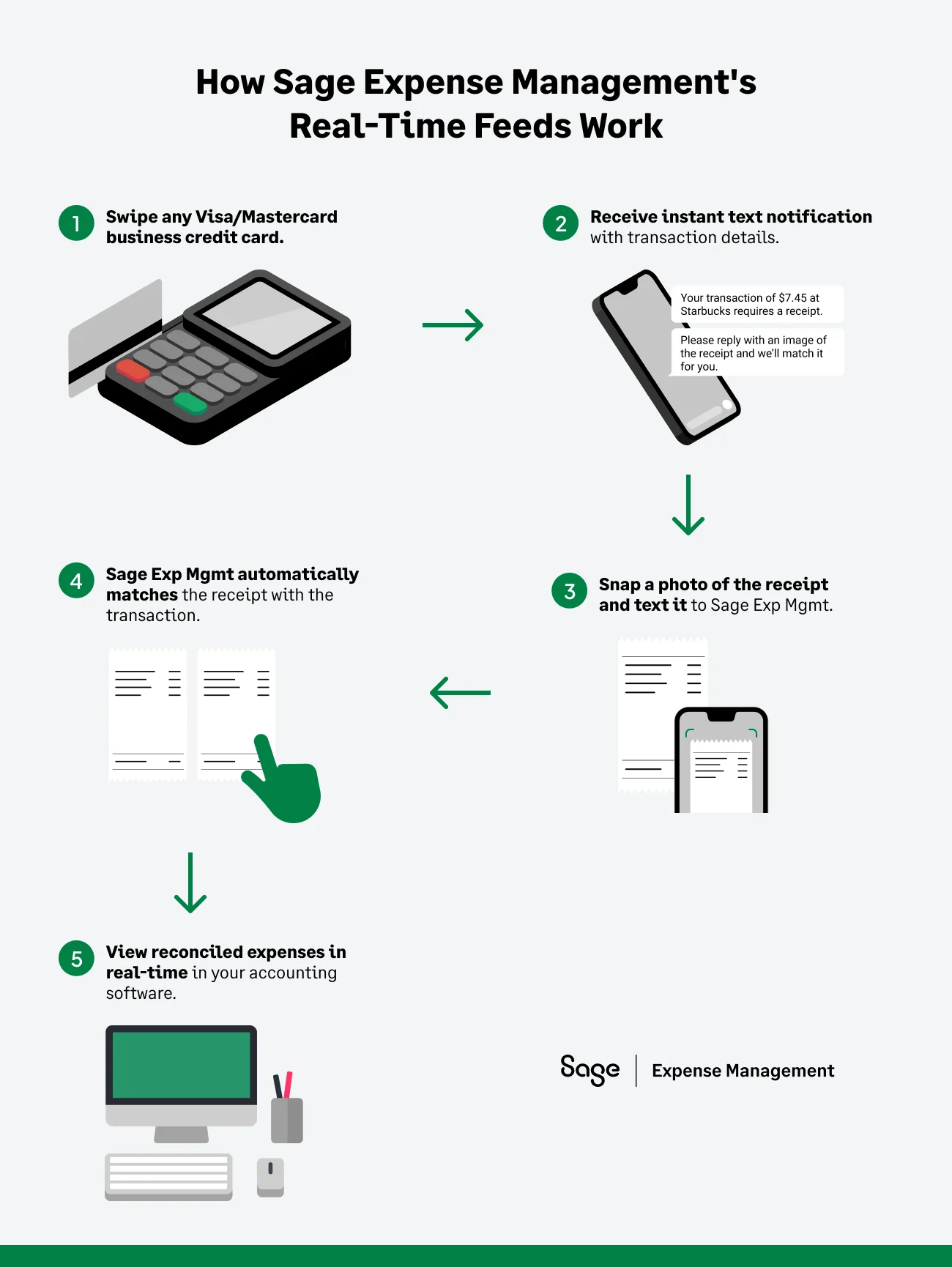
Sage Expense Management works with any Visa, Mastercard, or American Express card - no need to switch to proprietary cards.
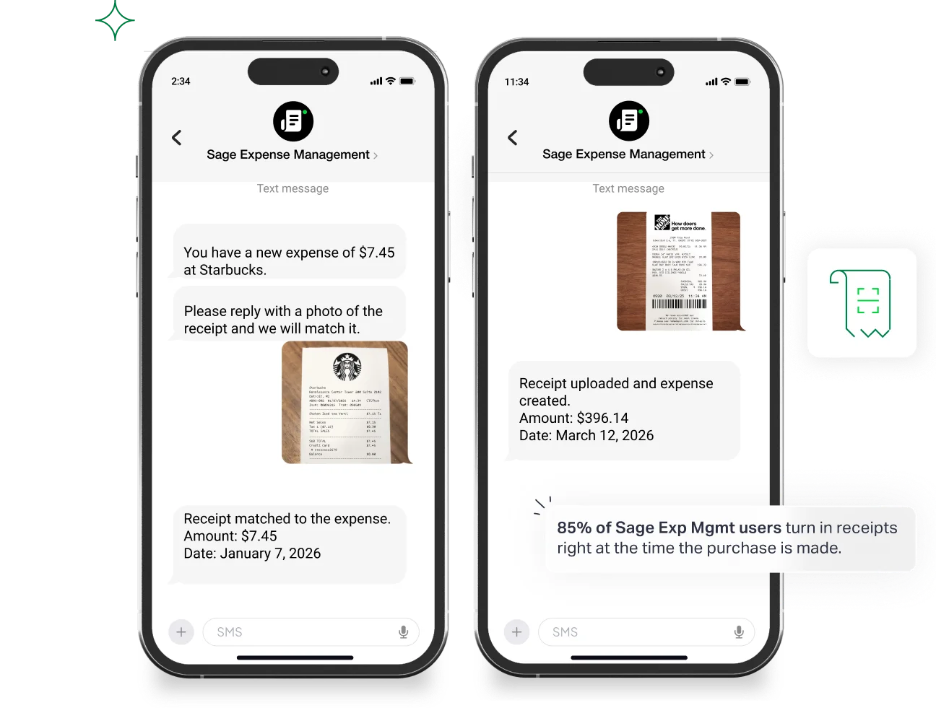
Employees receive instant text notifications the moment they swipe their cards. They just need to reply with a picture of the receipt for AI-powered automated reconciliation.
Customer insight: The deskless workers, such as those in field services or construction, are the most likely to delay expense reports. Sage Expense Management solves this by allowing receipt capture via text. By removing the need to log into a complex mobile app, businesses see a significant increase in submission rates from their field staff.
No Hidden Fees or Complex Pricing
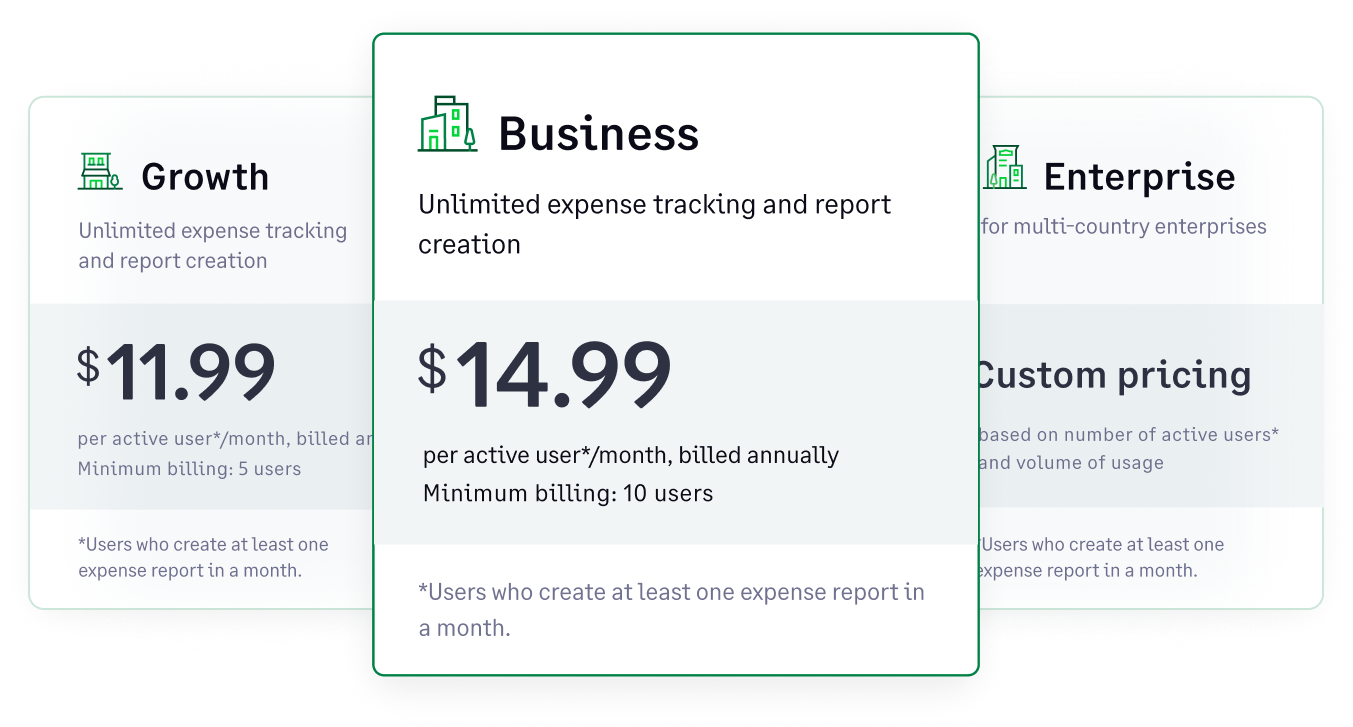
- Transparent, no-surprise pricing model only pay for users who create an expense in a month or have a business credit card attached to Sage Expense Management with an active transaction.
- No lock-in contracts or hidden fees, giving you the freedom to scale up or down as needed.
Seamless Integrations with Accounting Software
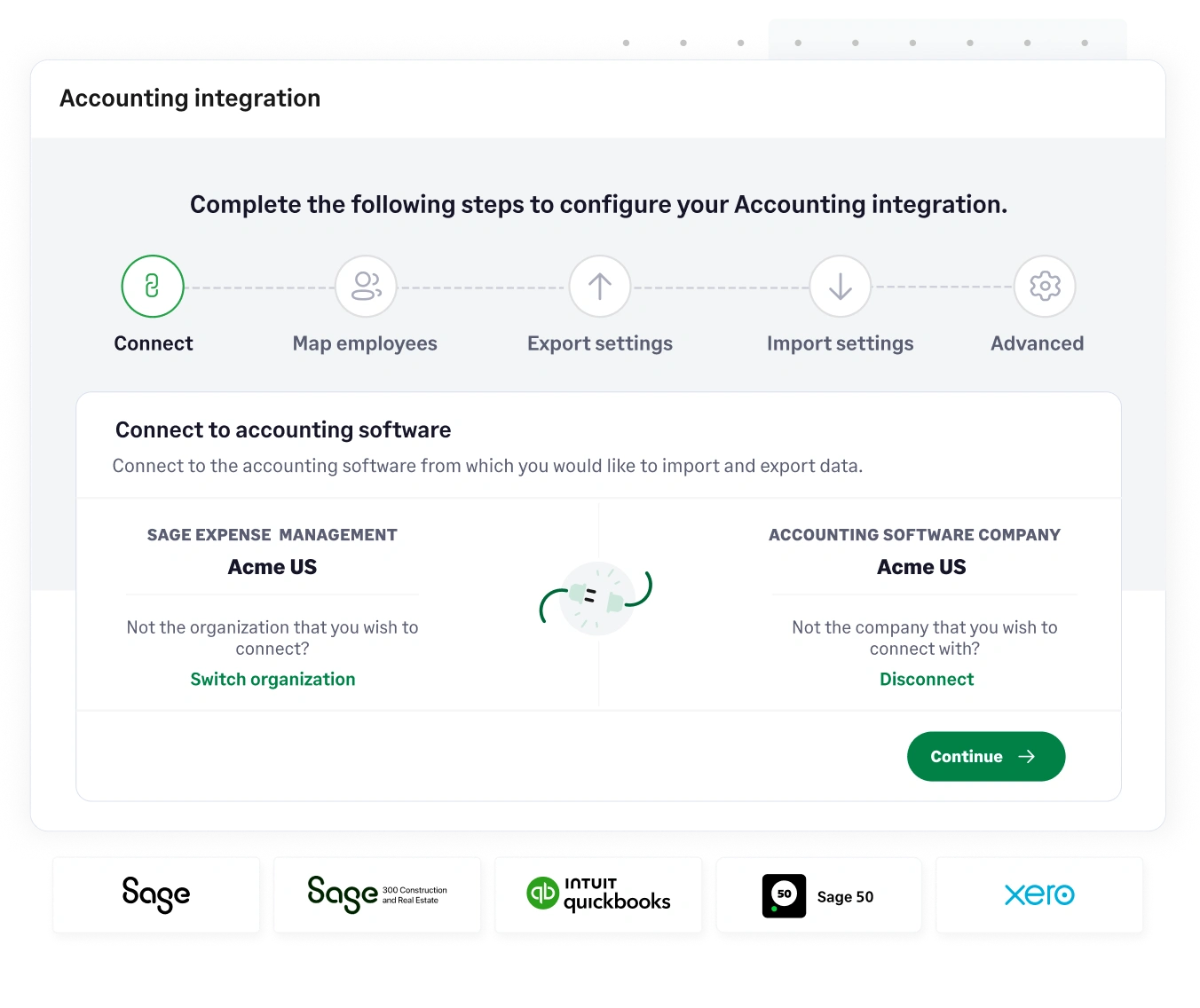
- Self-serve integrations with QuickBooks, Sage Intacct, Sage 300 (beta), and Xero.
- Setup takes just 12.6 minutes on average, ensuring a smooth connection with your accounting software.
Real-time expense sync ensures your books are always updated without manual effort.
Best-in-Class Customer Support and Easy Onboarding

- 24/7 customer support* with a 95% CSAT rating and response times under 30 minutes.
- Go live within 3 weeks with smooth onboarding that doesn’t waste your team’s time.
*For Business Plan users
{{noemi-pena-testimonial="/quote-banners"}}
Why Should You Settle for Less?
Both Expensify and Concur promise streamlined expense management, but user experiences tell a different story.
From predatory pricing and poor customer service to outdated interfaces and rigid processes, these platforms often create more problems than they solve.
Sage Expense Management, on the other hand, offers the freedom and flexibility that businesses need. With real-time card feeds, seamless integrations, transparent pricing, and excellent support, it ensures that managing expenses is smooth, simple, and hassle-free.
{{stop-settling-for-less="/cta-banners"}}