4.6/51670+ reviews
For churches and religious organizations, providing a time for fellowship—often with coffee, snacks, or a shared meal—is a vital part of building community and strengthening relationships among members. The costs associated with these hospitality events are a common and necessary expense of ministry.
While these are legitimate operational costs, the IRS has very specific rules that govern the deductibility of meals, even for a nonprofit. Understanding these rules is essential for church administrators and treasurers to ensure financial reporting is accurate and compliant. This guide will clarify how to categorize the costs of your fellowship events to ensure you handle them correctly.
The costs you incur for providing food and beverages for fellowship events are a direct Program Expense. This is because they are part of carrying out your organization's mission to foster community.
For bookkeeping and tax reporting purposes, these costs are classified as a Meal Expense. This is a specific category that is subject to IRS limitations.
The most critical factor for accountants and church leaders is understanding the 50% deduction limit for meals and the important exceptions that may apply.
As a general rule, IRS Publication 463 states that you can only deduct 50% of the cost of business-related meals. IRS Publication 535 clarifies that this limit applies to food and beverages you furnish to your employees and, by extension, to your members during a fellowship event.
This is a key exception that often applies to church fellowship. Publication 463 notes that the full cost of expenses for recreational or social activities, such as a holiday party or summer picnic, is 100% deductible.
This exception applies only if the activity is primarily for the benefit of your members or employees who are not highly compensated. A weekly coffee and donut fellowship for the entire congregation would generally meet this test, making its cost fully deductible.
It is important to distinguish a fellowship event for the congregation from a meal provided solely for staff. Meals provided to employees for the convenience of the employer (e.g., a staff meeting lunch) are generally subject to the 50% limit.
To properly account for hospitality and fellowship costs, you must report them correctly and maintain thorough documentation.
For organizations that file a Form 990, the deductible cost of fellowship meals is reported in Part IX (Statement of Functional Expenses). The final deductible amount (after applying the 50% or 100% rule) is included on Line 24, Other expenses, and allocated to the Program Services column.
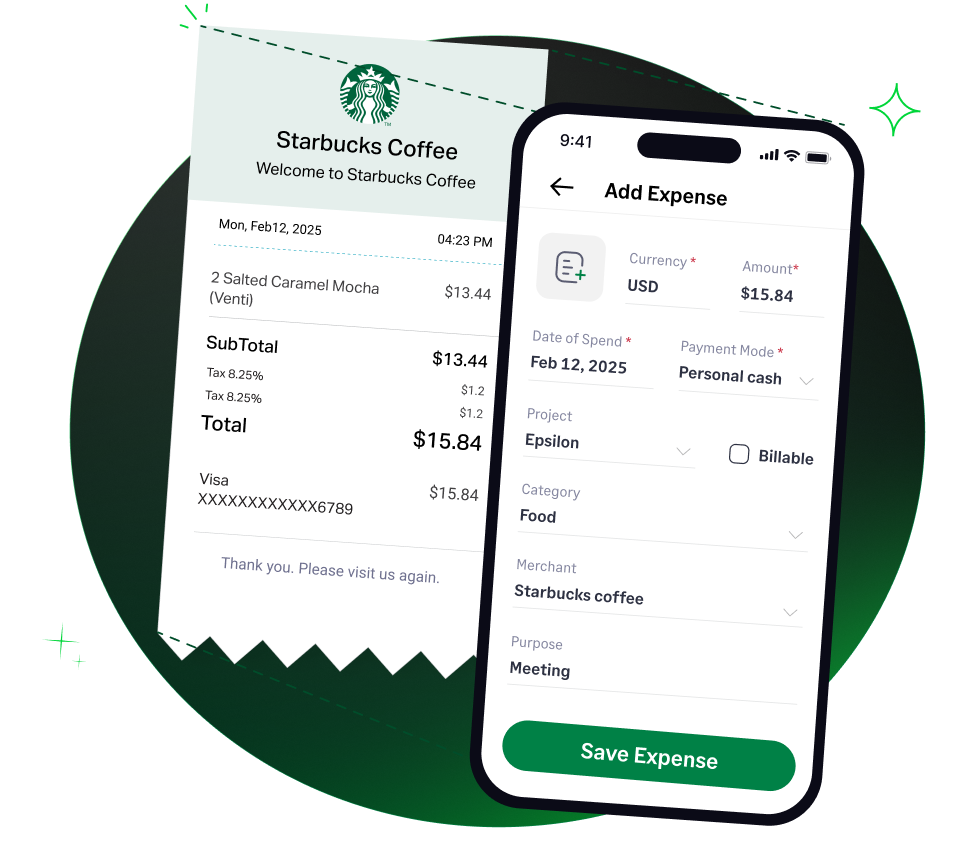
You must have documentary evidence to substantiate your meal expenses. Your records should include:
Sage Expense Management helps your ministry leaders and administrative staff capture and organize all the costs for your fellowship events, ensuring every expense is documented and compliant.