For churches and faith-based nonprofits, missions and outreach are the tangible expression of their core purpose. The costs associated with this work from supporting missionaries and funding partner organisations to the direct expenses of mission trips represent the heart of the organisation's program activities.
While these are fundamental operational costs, their accounting and tax treatment are complex. The IRS requires that these expenses be unbundled and categorised based on their specific nature—is it a grant, employee compensation, or travel?
This guide will clarify how to classify missions and outreach expenses to ensure your organisation maintains financial transparency and full compliance.
Missions and Outreach Program Expenses Category
For a church or nonprofit, the costs of funding and supporting its missions and outreach work are a direct program expense.
This is not a single line item but a functional category that is a cornerstone of nonprofit financial reporting (on the Form 990). The individual costs that make up this category must be broken down and tracked separately in your books. The primary components are:
- Grants and Assistance: Payments made to other organisations or individuals.
- Salaries and Wages: Compensation for missionaries who are employees.
- Contract Labor: Payments to missionaries who are independent contractors.
- Travel Expenses: Costs for mission trips, including transportation, lodging, and meals.
- Supplies: The cost of materials used in the mission work.
Important Considerations While Classifying Missions and Outreach Program Expenses
To correctly account for these expenses, it is critical to separate the different types of costs and understand the strict IRS rules that apply to each.
Support for Missionaries (Individuals)
- The Church Must Control the Funds: A donation given to the church but earmarked for a specific missionary is a contribution to the church, not the individual. The church must maintain final discretion and control over the use of the funds.
- Employee vs. Independent Contractor:
- If the missionary is an employee, their support (salary, housing allowance, etc.) is a wages expense and must be processed through payroll with all applicable taxes withheld.
- If the missionary is an independent contractor, their support is a contract labor expense. You must issue them a Form 1099-NEC if you pay them $600 or more in a year.
Payments to Partner Organisations
When you send funds to another mission organisation to support their work, this is treated as a grant or contribution to another organization. This is a direct program expense.
Mission Trip Expenses (Travel)
The costs for staff or volunteers to travel for mission work are program-related travel expenses. The rules in IRS Publication 463 apply:
- Deductible Costs: Transportation (airfare, etc.) and lodging are deductible program expenses.
- 50% Limit on Meals: The cost of meals for the mission team is subject to the 50% deduction limit.
- Accountable Plan: To reimburse travelers for these expenses tax-free, you must use an accountable plan, which requires them to substantiate all costs with receipts and return any excess funds.
Program Supplies
The cost of materials purchased specifically for the mission—such as building supplies, medical aid, or educational materials—is a direct program expense, deductible as supplies.
Tax Implications and Recordkeeping
Properly accounting for mission expenses is essential for your organization's financial statements and annual IRS reporting.
How to Report the Expense
On Form 990, all missions and outreach costs are reported as program service expenses in Part IX. This is a key metric used by the IRS and donors to see how effectively your organisation is fulfilling its mission. The individual costs are broken out on their respective lines (e.g., Grants and other assistance, Salaries, Travel).
What Records to Keep
You must maintain meticulous records to substantiate all mission-related expenses. This includes:
- Grant agreements with partner organisations.
- Employment or contractor agreements with missionaries.
- A completed Form W-9 for every independent contractor missionary.
- All receipts and expense reports from mission trips, submitted under an accountable plan.
- Proof of payment for all grants, support, and expenses.
How Sage Expense Management (formerly Fyle) Can Automate Expense Tracking
Sage Expense Management helps you manage the complex expenses of your mission program, ensuring every dollar is captured, documented, and correctly allocated.
- Track by Mission or Missionary: Code every expense to a specific mission trip, project, or individual missionary for precise financial tracking.
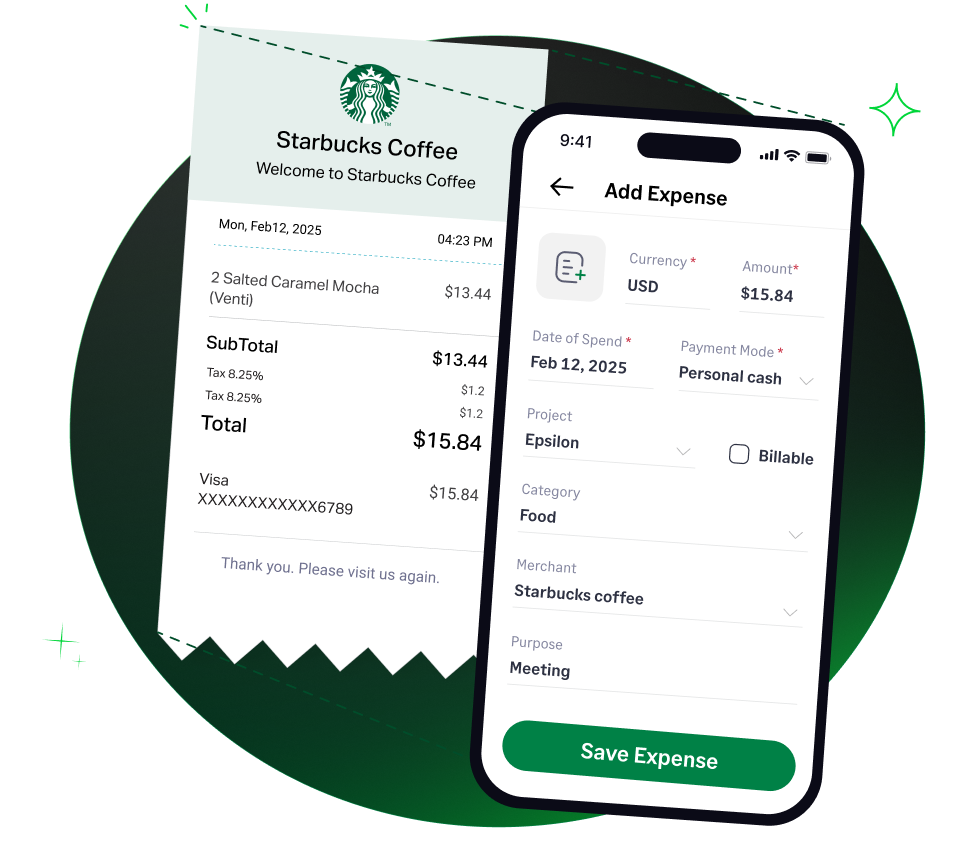
- Capture Receipts from the Field: Missionaries can instantly capture receipts for travel and supplies from anywhere in the world using the mobile app.
- Enforce Travel Policies: Our policy engine can automatically apply the 50% meal limit and flag out-of-policy expenses for review.
- Automate Your Accounting: Sync all categorised program expenses directly to the correct GL accounts in QuickBooks, Xero, NetSuite, or Sage Intacct.


 4.6/51670+ reviews