Expense Categories
Worship Service

What expense category is Worship Service?

Learn what expense category Worship Service is for accurate accounting.
Last updated: October 29, 2025

See Why Top Teams Trust Sage Expense Management

G2 Crowd logoRating stars4.6/51670+ reviews

For a church, synagogue, mosque, or any religious organization, conducting worship services is the absolute core of its mission and purpose. The direct costs associated with these services, from communion supplies and candles to hymnals and other worship-specific materials are the primary operational expenses of the organization.

For church administrators and treasurers, correctly categorizing these costs is essential for accurate financial reporting, responsible stewardship of member contributions, and complying with IRS requirements for tax-exempt organizations. This guide will clarify how to classify the direct costs of your worship services based on standard accounting principles.

Worship Service Expenses Category

For a church or religious organization, the costs directly related to conducting its worship services are a direct program expense.

While the provided IRS documents focus on for-profit businesses, they establish the principle of deducting ordinary and necessary expenses. For a church, the costs of worship are its most ordinary and necessary activity. 

These are not administrative overhead but are the direct fulfillment of the organization's tax-exempt purpose. For bookkeeping, these costs are typically broken down into categories like:

  • Supplies: For consumable items like communion wafers, wine, candles, and printed bulletins.
  • Other Expenses: For other service-related costs.

Important Considerations While Classifying Worship Service Expenses

The most critical factor is to distinguish between supplies used directly for worship and those used for general administrative functions.

Program Supplies vs. Administrative Supplies

  • Program Supplies (Direct Program Expense): These are items that are directly consumed in the delivery of your worship services. Examples include communion supplies, candles, and devotional materials for the congregation.
  • Administrative Supplies (Overhead Expense): These are general office supplies used to run the organization, such as paper and toner for the administrative office. These are also deductible but are classified as a management and general expense.

Supplies vs. Capital Assets

It is also important to distinguish between consumable supplies and long-lasting assets.

  • Supplies (Deductible Now): Items that are used up within one year.
  • Capital Assets (Depreciate): Significant, long-lasting items purchased for the service, such as a new altar, pews, or an organ, are capital assets. As explained in IRS Publication 946, these costs must be capitalized and depreciated over their useful life.

Tax Implications and Recordkeeping

Properly accounting for worship service expenses is essential for a church's financial statements and its annual IRS reporting.

How to Report the Expense

While many churches are not required to file, those that do file a Form 990 must report their expenses by function. The costs of worship services are reported as program service expenses. This is a key metric used to demonstrate how effectively the organization is using its funds to fulfill its primary mission.

What Records to Keep

Thorough recordkeeping is essential to substantiate all expenses. Your records must include:

  • Invoices from all vendors for supplies and materials purchased.
  • Receipts for any service-related supplies purchased.
  • Proof of payment for all items.

How Sage Expense Management (formerly Fyle) Can Automate Expense Tracking

Sage Expense Management helps your ministry and administrative staff capture and organize the various costs of conducting services, ensuring every expense is documented and allocated correctly.
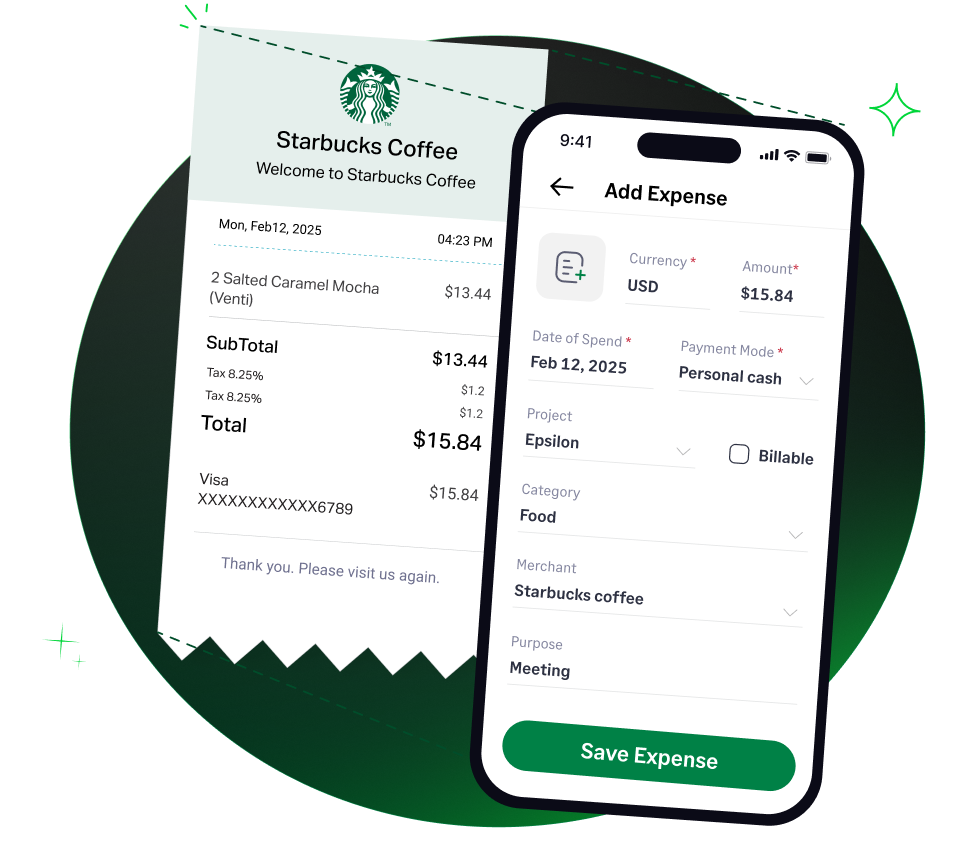
  • Capture All Purchases: Instantly capture receipts for communion supplies, candles, or other materials using the Sage Expense Management mobile app.
  • Track by Service or Event: Code expenses to a specific worship service, holiday event, or ministry for precise financial tracking.
  • Create a Clear Audit Trail: Sage Expense Management maintains a time-stamped, unalterable record of all purchases and invoices for easy substantiation.
  • Automate Your Accounting: Sync categorized program expenses directly to the correct GL account in QuickBooks, Xero, NetSuite, or Sage Intacct.

Expense Management That Works

Where You Work

Explore Sage Expense Management
Fyle app preview
TASA logo
101-500 Employees
Sage Expense Management has helped our Finance Department tremendously. We no longer have to chase after our employees for receipts and/or ask them to code their expenses. This has allowed us to redirect that time and energy to other aspects of our business.
Noemi Peña, Chief Financial Officer
While this article provides accurate information, it's not a substitute for professional, legal or financial counsel. Always seek advice from an attorney or financial advisor for advice with respect to the content of this article.
Learn more about Sage Expense Management software.