


Understanding the difference between fixed and variable costs is not just a basic accounting exercise. It is the foundation of strategic pricing and operating leverage. It determines how expenses move as revenue grows, how much cushion is present in the budget, and how far current cash reserves can take the business.
Here is exactly how to break down these costs, avoid common forecasting mistakes, and optimize spending strategy for sustainable growth.
Key Takeaways
- Fixed costs are the burn floor that must be covered regardless of sales volume.
- Variable costs fluctuate with activity and directly dictate your gross profit margins.
- Most costs are actually hybrids, containing both a fixed baseline and a variable usage component.
- Neglecting fixed costs in your strategy can lead to underestimating your markups and missing opportunities for economies of scale.
- Strategic pricing often requires raising prices after fixed cost shocks to ensure company survival, especially when cash is tight.
What are Fixed Costs?
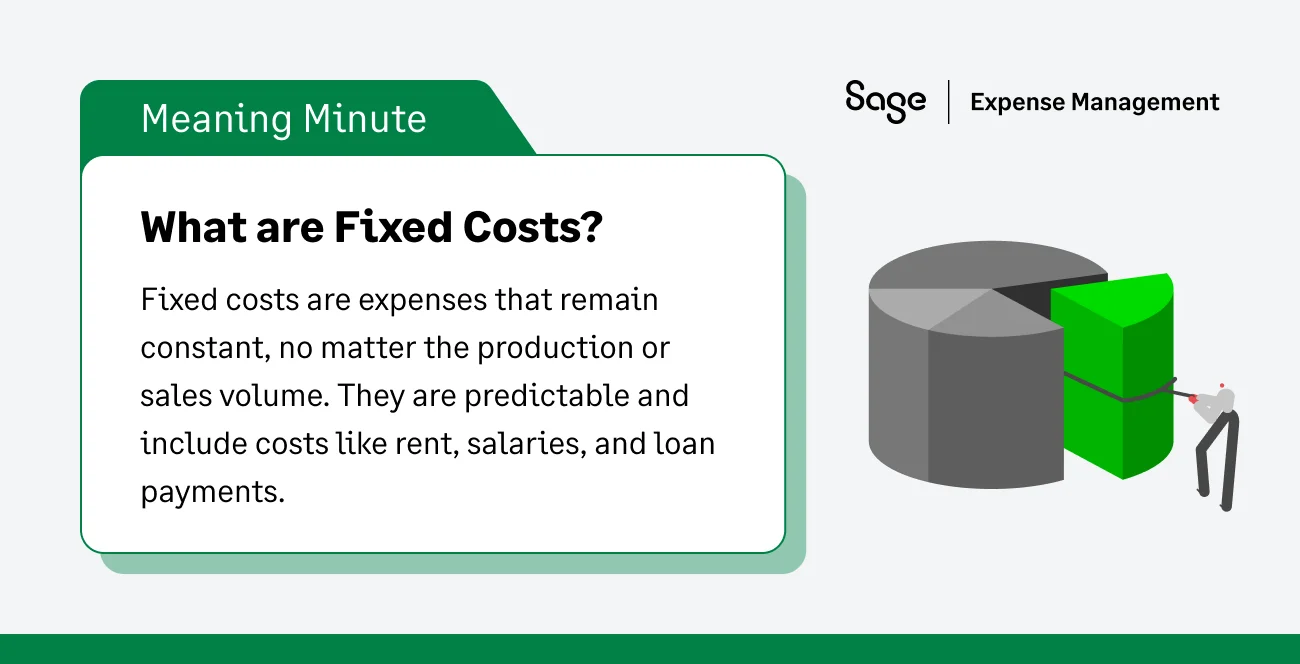
They are the recurring bills that do not fluctuate with customer volume, the price of keeping the lights on, whether a business has one customer or one thousand.
Examples of Fixed Costs
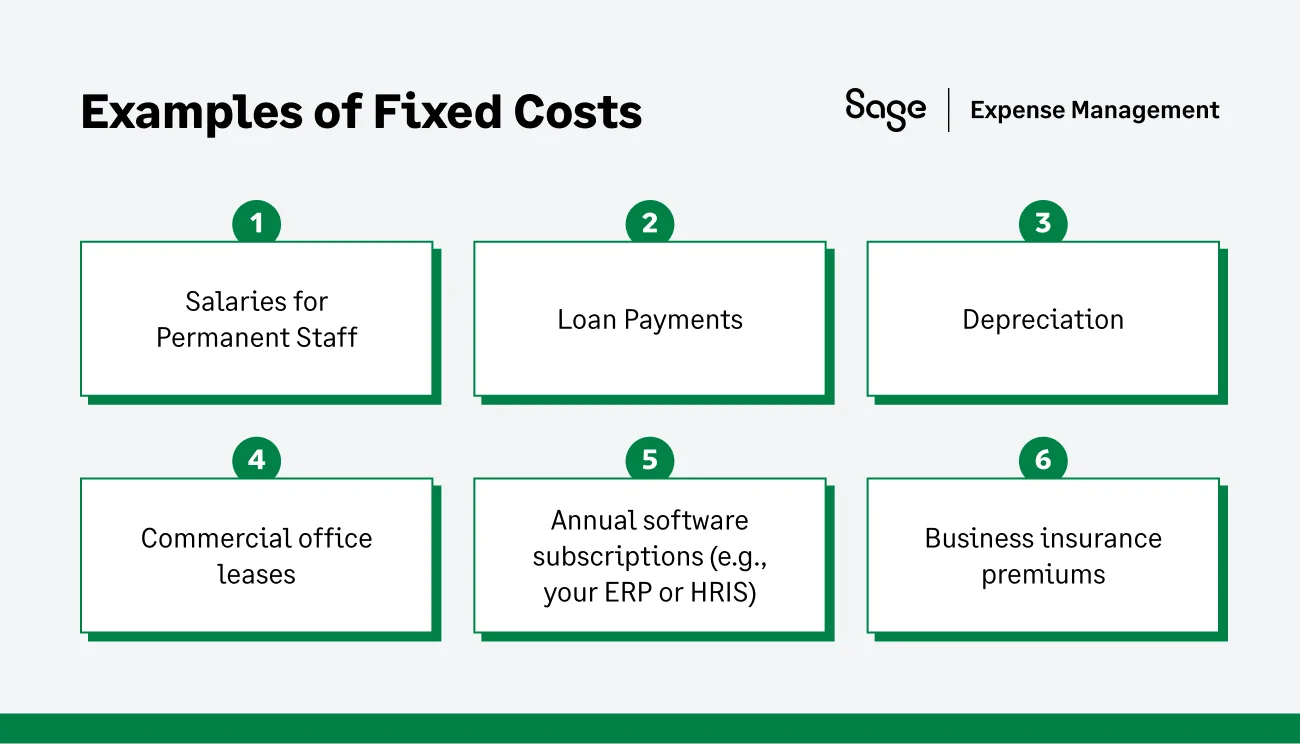
Salaries for permanent staff
While sales commissions and freelance wages fluctuate, the base salaries of the core team do not. The VP of engineering, HR director receive their full compensation every single payroll cycle. This cost remains absolutely consistent, completely independent of how much product is shipped in a given month.
Loan payments
If a company takes on venture debt to extend their runway, or a commercial loan to build a new data center, the monthly repayment schedule is strictly enforced. The principal and interest payments remain constant whether the business is scaling rapidly or navigating a slow quarter.
Depreciation
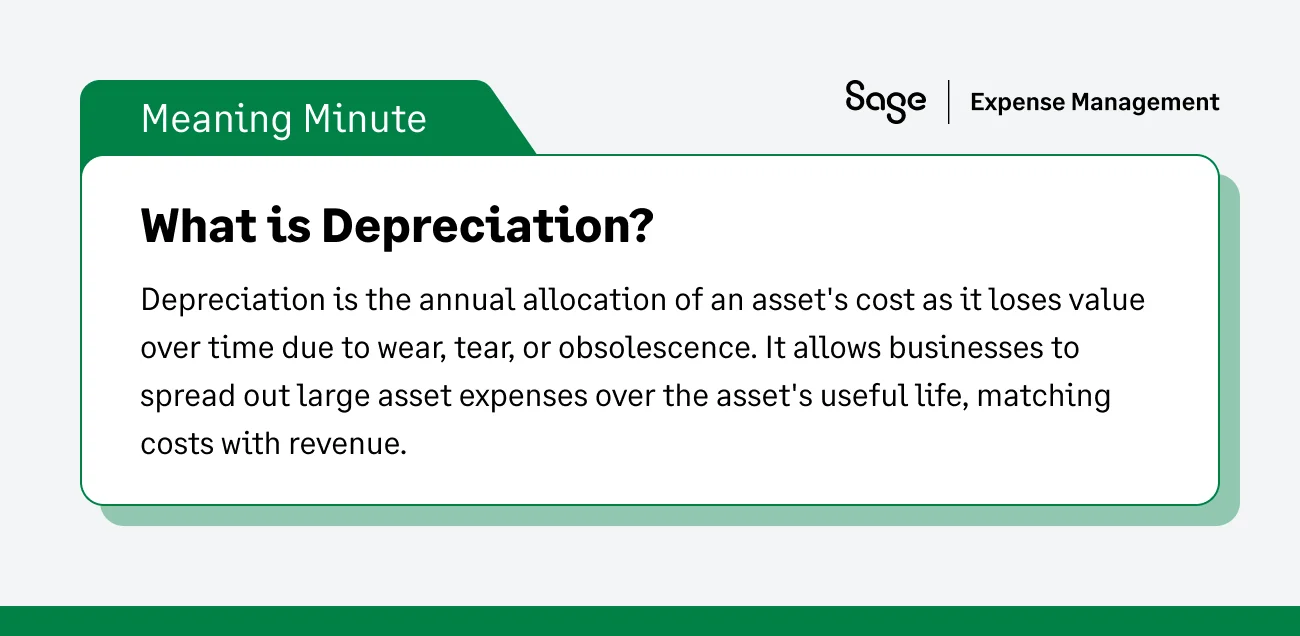
When fixed assets like expensive server racks, company vehicles, or heavy machinery, are purchased, the cost is spread over the asset's useful life. If a $12,000 piece of equipment loses $200 in value every month, that depreciation expense hits the general ledger consistently, regardless of the actual production volume.
Commercial office leases
Whether the sales team is closing record-breaking enterprise deals or experiencing a seasonal slump, a landlord does not care. If a five-year lease for a downtown headquarters is signed at $20,000 a month, that expense is locked in. That amount must be paid regardless of the company's monthly output, revenue, or foot traffic.
Annual software subscriptions (e.g., your ERP or HRIS)
An annual contract for an enterprise resource planning (ERP) system or an HR platform, includes a platform fee. Whether the team logs into the system ten times a day or leaves it idle for a week, the cost remains static.
Business insurance premiums
Protecting your business is a non-negotiable fixed cost. Policies like Directors & Officers (D&O) insurance, Cyber Liability, or General Liability require flat monthly or annual premiums. The coverage cost does not scale up or down with daily sales activity; it is a predictable, recurring line item.
The Strategic Impact of Fixed Costs
Fixed costs set the "burn floor." This is the minimum cash a company must spend each month before making a single dollar. This is important to know in order to figure out the company’s cash runway. It shows exactly how long the savings can keep the business alive during a slow market.
While fixed costs are easy to predict, they put heavy pressure on the cash flow when sales drop. The bills must be paid no matter what the situation.
Example:
Think of a marketing agency with $50,000 in fixed monthly costs. This covers their office rent, staff salaries, and core software.
If they sign ten new clients this month, they owe $50,000. If they sign zero clients, they still owe $50,000.
If revenue temporarily drops to $40,000 because of project delays, the agency faces a $10,000 cash gap. They must drain their savings to pay the difference.
The Challenge:
Fixed costs are rigid. If income falls, the company cannot simply pause the lease. Staff pay cannot be slashed without hurting the company, and since no quick change can be made, fixed costs must be managed closely to protect cash flows.
Fixed Costs vs. Sunk Costs
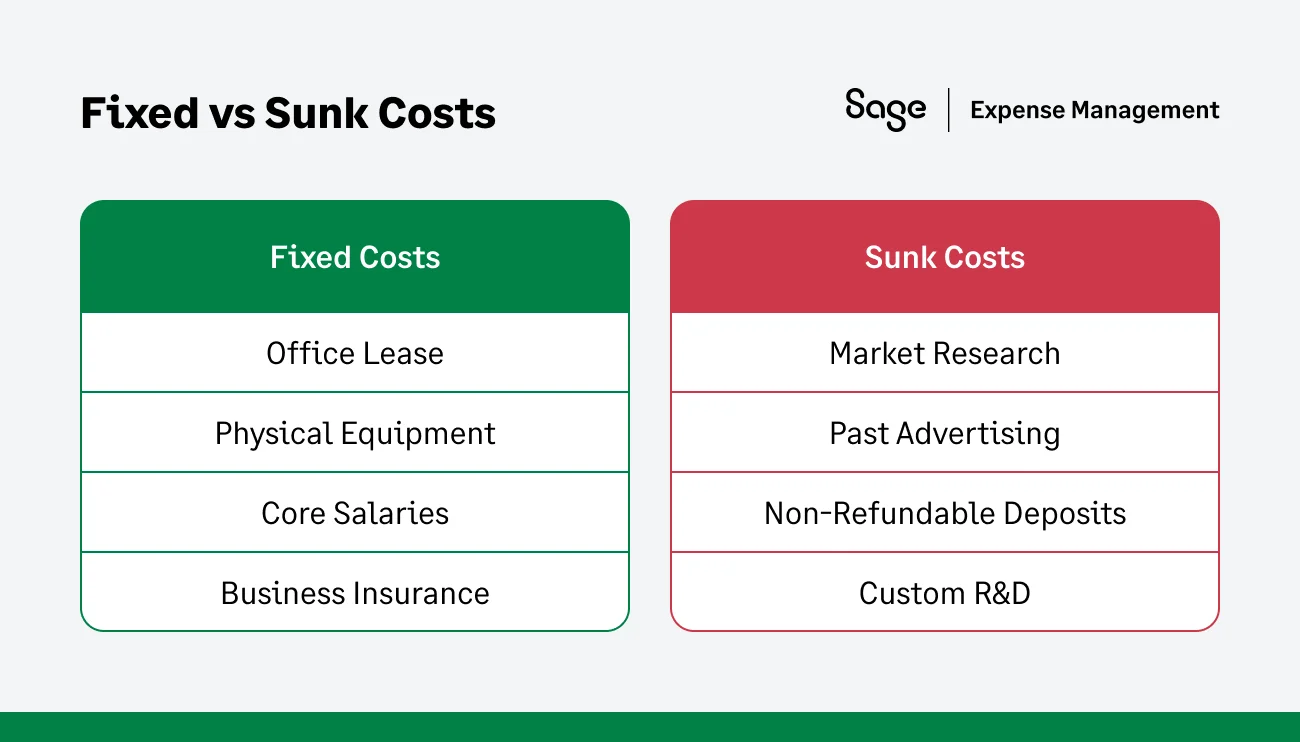
It is important to note that while all sunk costs are fixed, not all fixed costs are sunk.
- Fixed costs are the regular bills a company pays to keep running. These are things like employee paychecks and monthly rent. A business has to pay them all the time.
- Sunk costs are money the company has already spent in the past. It cannot get this money back. For instance, paying for market research is a sunk cost. That money will be gone forever.
The best way to tell them apart is to ask: "Can I get this money back?" A piece of equipment owned, like a server, is a fixed cost. However, it is not a sunk cost if it can be sold in exchange for money return.
Why Fixed Costs Actually Influence Your Pricing
Standard textbooks claim fixed costs shouldn't affect your prices but real-world research says otherwise.
- Liquidity constraints: If a firm is hit by a fixed cost shock (like a sudden tax or a high-interest loan payment), it may have to raise prices just to avoid bankruptcy.
- Shifting profits: Raising prices shifts profits from the future to the current period, helping the firm survive a cash crunch.
- Market reality: Research confirms that it is common practice for firms to raise their prices after a fixed costs increase.
How Fixed Costs Hide Your True Profit Margins
Recent economic studies show that neglecting fixed costs leads to an underestimation of returns to scale.
- The markup trap: If you don't account for the fixed investment that makes production possible, your marginal costs will look artificially high, making your profit markups look smaller than they are.
- Returns to scale: As you grow, your fixed costs should represent a smaller percentage of your total spend, increasing your efficiency. Research notes that “Industries with higher fixed costs generally have lower than average variable costs and vice versa.”
- Efficiency gains: Firms often intentionally increase their fixed infrastructure (like automation) to lower their variable costs, which is a key driver of long-term profitability.
What are Variable Costs?
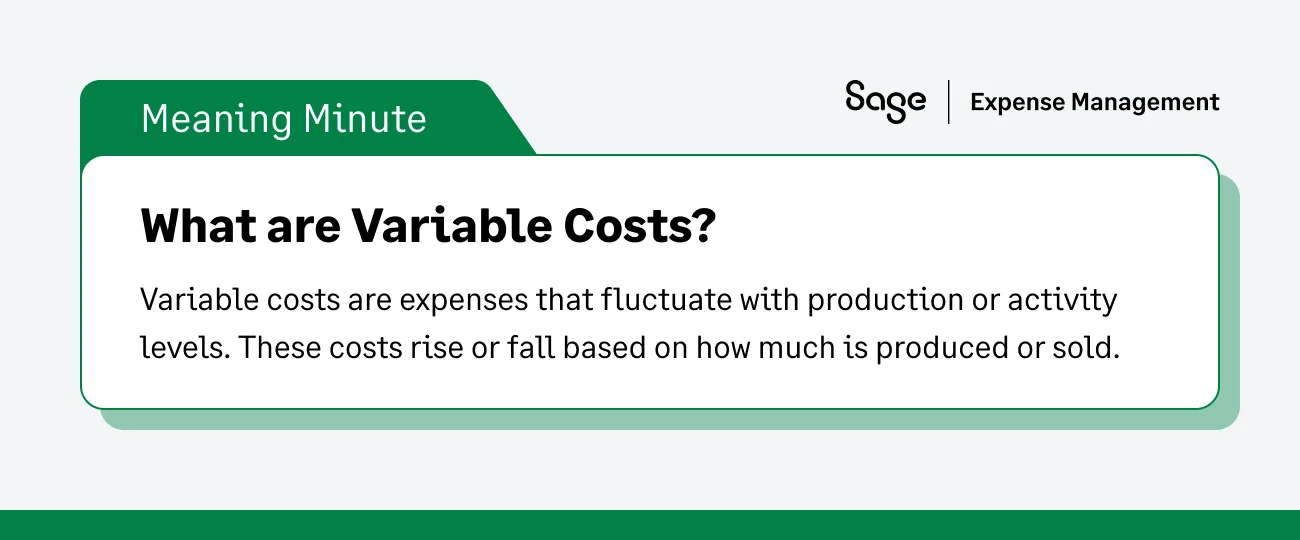
Variable costs fluctuate in direct proportion to production volume, usage, or sales activity. When a business sells more, these costs rise. When business slows down, these costs drop.
Example of Variable Costs
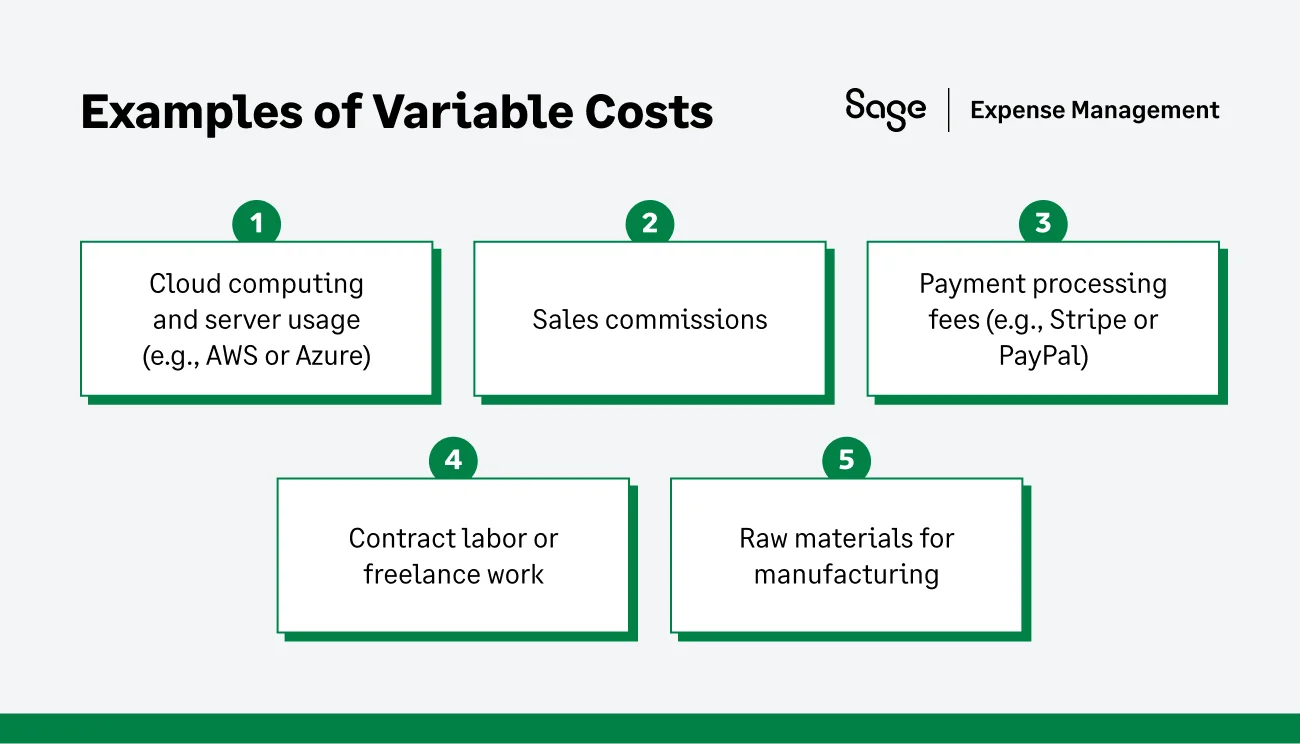
Cloud computing and server usage (e.g., AWS or Azure)
Unlike purchasing physical servers (which is a fixed capital expense); modern cloud infrastructure is entirely pay-as-you-go. If the software experiences a massive spike in user traffic, the bill will increase to handle the load. If traffic drops during the weekend, the hosting costs drop right along with it. This cost perfectly mirrors a product's actual usage.
Sales commissions
While a sales team's base salaries are fixed, their commissions are completely variable. If an executive closes a massive enterprise deal, the company pays a hefty commission. However, if they have a slow month and close nothing, that commission cost drops to zero. This expense only rises when actual revenue is secured.
Payment processing fees (e.g., Stripe or PayPal)
Every time a customer swipes a card or pays an invoice online, payment gateways take a small percentage of the transaction (often around 2.9%). If they process 10,000 customer payments this month, the total processing fees will be high. If sales slow down to just 100 payments next month, the fee volume drops proportionally.
Contract labor or freelance work
Full-time payroll is a rigid fixed cost, but hiring contractors provides variable flexibility. If an agency wins a massive new account and suddenly needs three extra developers for a 60-day sprint, they can bring freelancers to handle the surge. The exact moment the project ends, that labor cost disappears.
Raw materials for manufacturing
If a company produces physical goods or hardware, they have to purchase the components to build them. If customer demand is soaring and the demand is high, material costs will be high. If all production is halted till next quarter, they stop buying parts, driving raw material costs down to zero.
The Strategic Impact of Variable Costs
Variable costs decide the gross margin. This is the actual profit from each sale after paying direct expenses. If the variable costs are too high, growing business sales will not actually grow the profits.
However, variable costs also give cash flow flexibility. When sales slowdown, these costs shrink right away. This gives the business room to manage cash during tough times.
Example:
Imagine an agency that pays a freelance designer $500 to build each client's pitch deck. If the agency books 10 new pitches this month, their variable cost is $5,000. If business slows down and they book 0 pitches next month, that freelance cost drops to $0.
The Benefit:
Variable costs automatically scale with business demand. If revenue dries up, an instant pause on these costs helps save cash without having to break a lease or lay off the core team.
How to Budget for Fixed and Variable Costs
Budgeting effectively ensures you maintain financial health without stifling growth. Here is a simple framework:
Track and categorize
It is not possible to manage what is not coded correctly in the company’s general ledger. It is important to ensure every expense is accurately tagged as fixed or variable.
The first step to budgeting fixed and variable costs is to track and categorize all your business expenses:
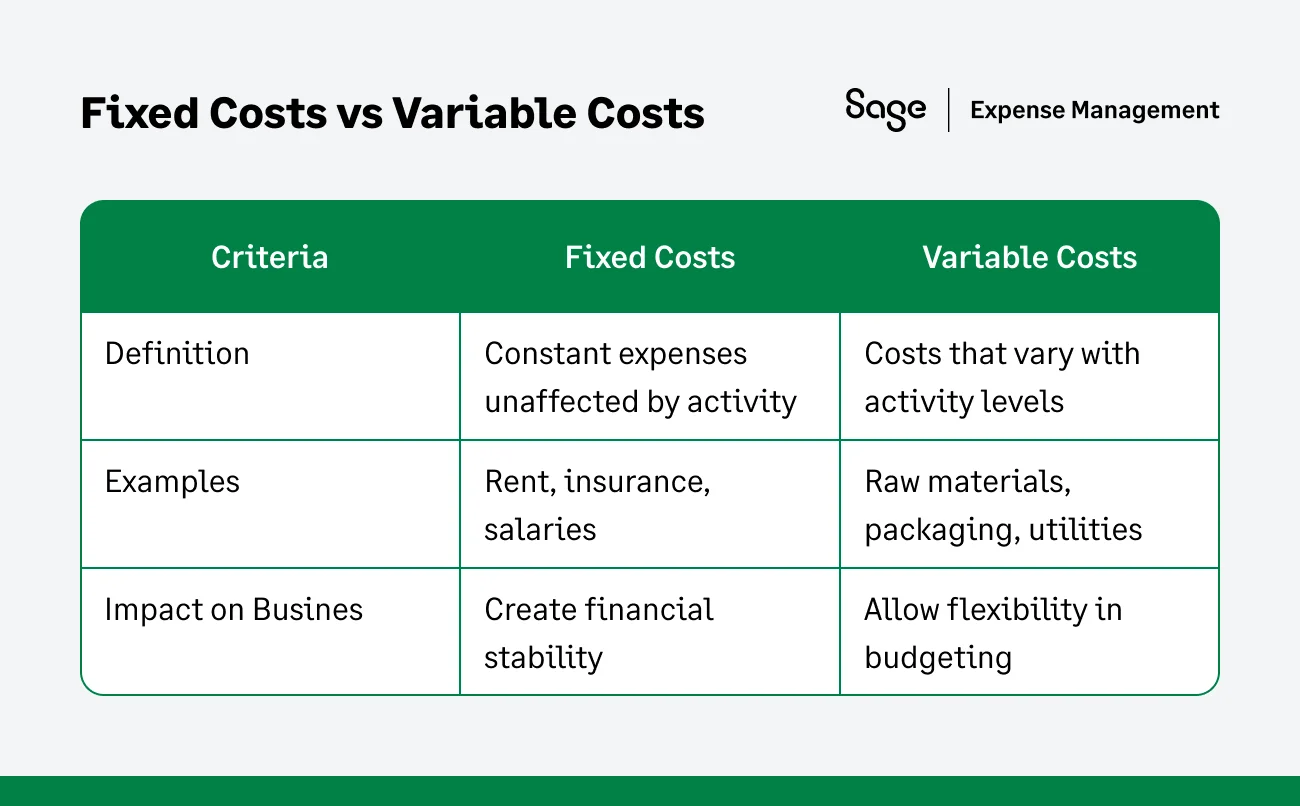
- Fixed costs: Rent, salaries, loan payments, and insurance.
- Variable costs: Utilities, raw materials, commissions, and packaging.
Prioritize the essentials
Fixed costs are non-negotiable. Always allocate funds to cover your fixed, non-discretionary obligations before approving discretionary spend.
Forecast variable costs
Because variable costs are inconsistent, use trailing historical data. Take an average of your past six months of variable spending (like corporate travel or cloud usage) to accurately predict the coming months.
Balancing Fixed and Variable Costs for Healthy Cash Flow
To maintain healthy cash flow, businesses need to strike a balance between fixed and variable costs:
- Plan for Fixed Costs: Ensure consistent cash reserves to cover fixed obligations during slow periods. Consider negotiating fixed costs like rent or salaries to make them more manageable.
- Monitor Variable Costs: Keep a close eye on expenses that scale with production. Look for ways to optimize processes, reduce waste, and improve cost efficiency.
- Forecast Cash Flow: Historical data to predict periods of high and low revenue, and adjust spending accordingly.
Why Some Items Aren't Just Fixed or Variable
Research suggests that the traditional either/or view of costs is an oversimplification. Most inputs actually have a fixed and variable part.
- The energy example: Your factory might require a minimum amount of energy just to keep the lights on and machines idling (fixed), but every unit you manufacture adds a specific amount of power usage on top of that (variable).
- Technology over physical items: It is the technology you use that determines if a cost is fixed. As noted in recent research, “It is the production technology which determines whether inputs are variable or fixed.”
- Hidden splits: Even within a single category like labor, you may have a fixed portion for administrative tasks and a variable portion tied directly to production output
Semi-Variable & Step-Variable Costs
Not every expense fits neatly into a binary category. Many modern corporate costs are semi-variable or step-variable, meaning they have a fixed baseline but jump dramatically once you hit a certain threshold.
Semi-Variable Costs
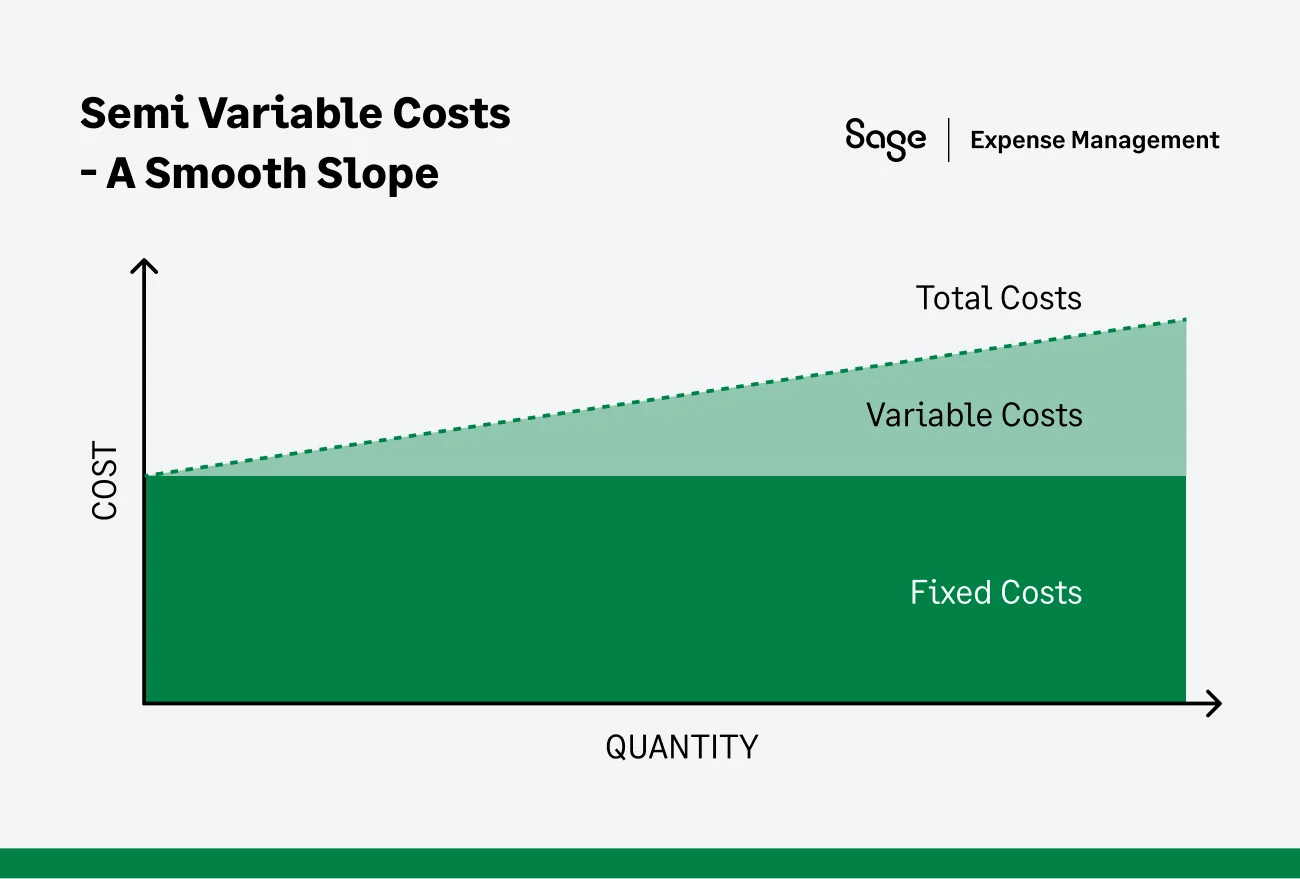
Semi-variable costs have both fixed and variable components. A portion remains constant, while the rest varies based on activity.
- Example: Your company pays a flat $500 monthly base fee for a cloud server, plus 10 cents for every extra gigabyte of data you use. Your bill goes up just a little bit with each new gigabyte.
Step-Variable Costs
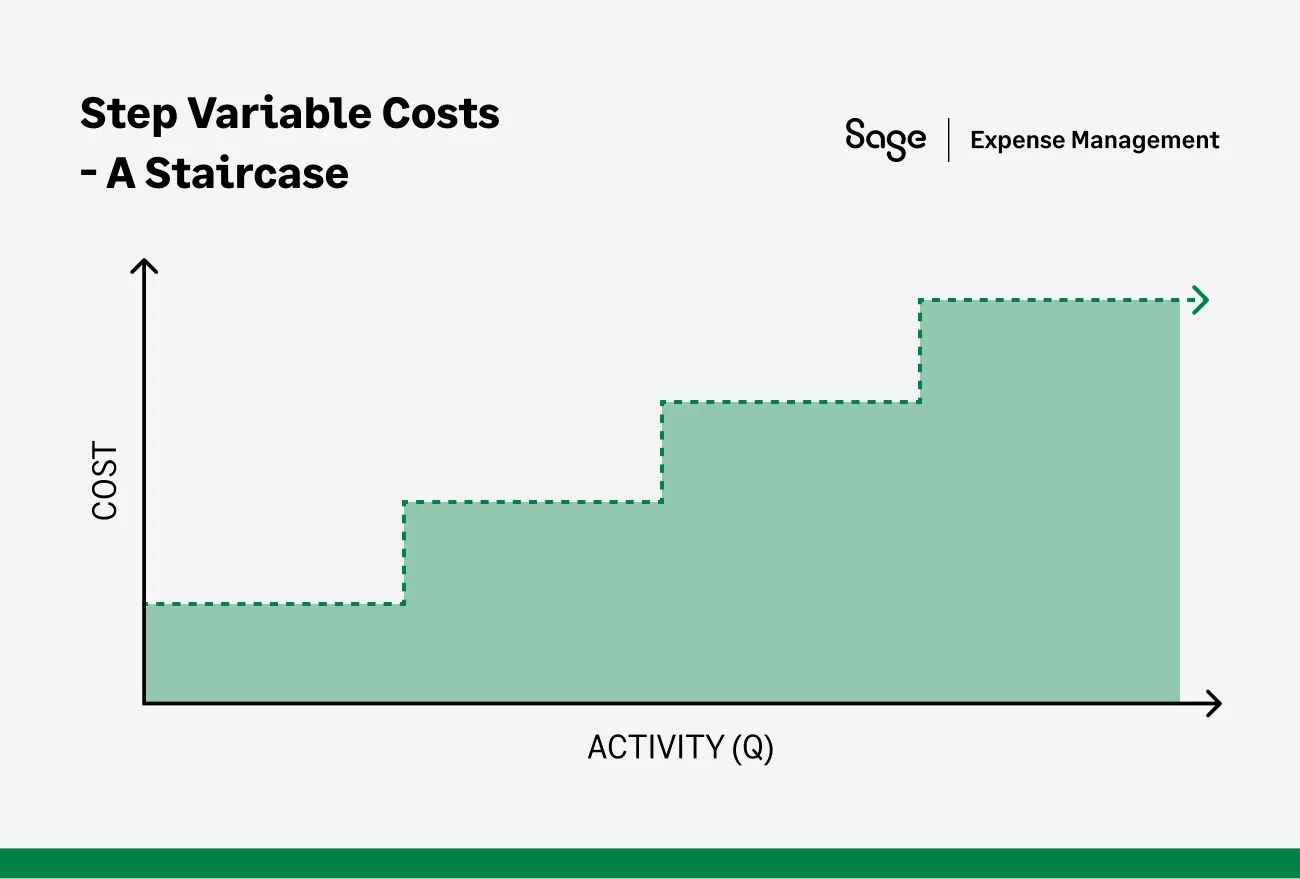
Step-Variable costs stay completely flat for a while. Then, they jump suddenly in large chunks when you hit a growth limit.
- Example: Your sales software costs a flat $500 a month for up to 50 users. The price stays exactly $500 whether you have 10 users or 49 users. But the exact moment you add your 51st user, the bill jumps to $1,000.
Why It Matters:
Failing to plan for these cost changes is a huge blind spot. If you plan your budget in a simple, straight line, these sudden step jumps will quickly drain your cash when your company grows.
Marginal Costs & Operating Leverage
Marginal cost is the specific expense incurred by producing one additional unit or serving one additional customer. Understanding how this interacts with your fixed costs is the secret to achieving massive economies of scale.
Here is the secret: Your total fixed costs stay the same. But as you add more customers, the fixed cost per user drops.
Example: Building a software platform is a huge, fixed cost. You pay high salaries to developers to build the app. But once the software is live, the cost to add one new user is almost zero. It is just pennies in cloud hosting.
Because your variable costs stay so low, almost every new dollar you earn becomes pure profit. This is known as operating leverage.
Discretionary vs. Non-Discretionary Spend
Smart finance teams look beyond just fixed and variable costs. They also group expenses by what the business truly needs versus what it simply wants.
- Non-discretionary costs (The needs): These are vital for your survival. Your office rent and your core cloud hosting fees are non-discretionary. If you stop paying them, your business shuts down.
- Discretionary costs (The wants): These add value, but you can survive without them. Team retreats, fancy business trips, and new ad tests are discretionary costs.
Why It Matters:
When the market slows down, knowing this difference is key. It shows your finance leaders exactly what to cut first to save cash, without hurting the core business.
Forecasting Blind Spots: Where Most Businesses Get it Wrong
When planning your budget, it's important to watch out for these common traps:
- Misjudging salaries: Leaders often think hourly or commission-based pay is a variable cost. But these wages do not always rise directly with your output. Treat regular jobs as fixed costs, even if the pay changes a little each month.
- Ignoring software sprawl: Software bills are fixed costs, but they often hide huge waste. If you do not check your tools often, you will waste thousands of dollars paying for unused or zombie software seats.
- Missing growth discounts: Do not assume your variable costs will stay the same forever. As you grow, you can often get lower fees or bulk deals. If you forget to include these savings in your plan, your profit math will be wrong.
How Sage Expense Management Can Help
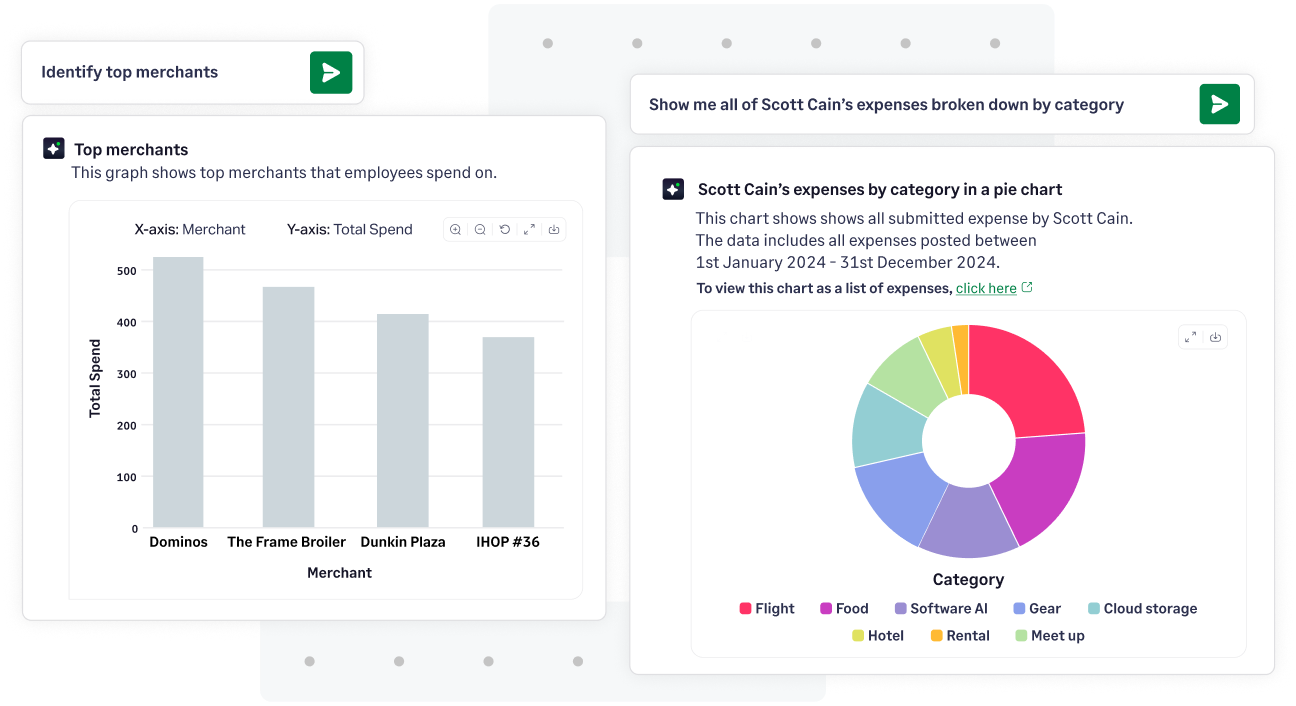
Managing a complex mix of fixed, variable, and hybrid costs requires more than a spreadsheet. Sage Expense Management (SEM) provides the visibility needed to track these nuances in real-time.
- Categorize with precision: Tag every expense as fixed or variable to see exactly how your burn floor moves month-over-month.
- Monitor variable surges: Automate alerts for usage-based costs like cloud hosting or travel to catch overspending before it hits your cash flow.
- Optimize your runway: Gain real-time visibility into discretionary spending, allowing you to quickly identify what to cut during a market slowdown.
{{fixed-cost="/cta-banners"}}


.jpg)