4.6/51670+ reviews
Running a successful restaurant requires a vast inventory of non-food supplies. From the glassware and flatware on the tables to the pots, pans, and cleaning chemicals in the kitchen, these items are the essential tools of the trade.
While these purchases are a constant and necessary operational cost, their tax treatment is not always a simple, one-time deduction. The IRS requires you to categorize these items based on their cost and useful life.
Some are currently deductible supplies, while others are long-term assets that must be depreciated. This guide will clarify how to classify your non-food restaurant supplies to ensure your financial reporting is accurate and compliant.
There is no single expense category for all non-food restaurant supplies. Their classification depends on whether they are a consumable supply or a durable piece of equipment.
The most critical factor is distinguishing between a currently deductible supply and a capital asset that must be depreciated.
This is the primary test from IRS Publication 535. If an item is expected to be useful for one year or less, it can be expensed as a supply. If its useful life extends substantially beyond the year they are placed in service, it must be capitalized. Durable goods like plates and pans are expected to last more than a year.
To simplify recordkeeping for smaller purchases, IRS Publication 535 provides a powerful de minimis safe harbor election. This allows you to deduct the cost of tangible property in the current year if it falls below a certain threshold (generally $2,500 per item or invoice for businesses without an applicable financial statement).
This is a practical way to immediately expense many smallwares and dishwares purchases that would otherwise need to be depreciated.
For larger purchases of durable supplies that must be capitalized (like a full set of new glassware and flatware), you may be able to elect to deduct the full cost in the first year using the Section 179 deduction, subject to annual limits.
The reporting for these supplies depends entirely on their classification.
For a sole proprietor filing a Schedule C (Form 1040):
You must have documentary evidence to substantiate all your supply and equipment costs. Your records should include:
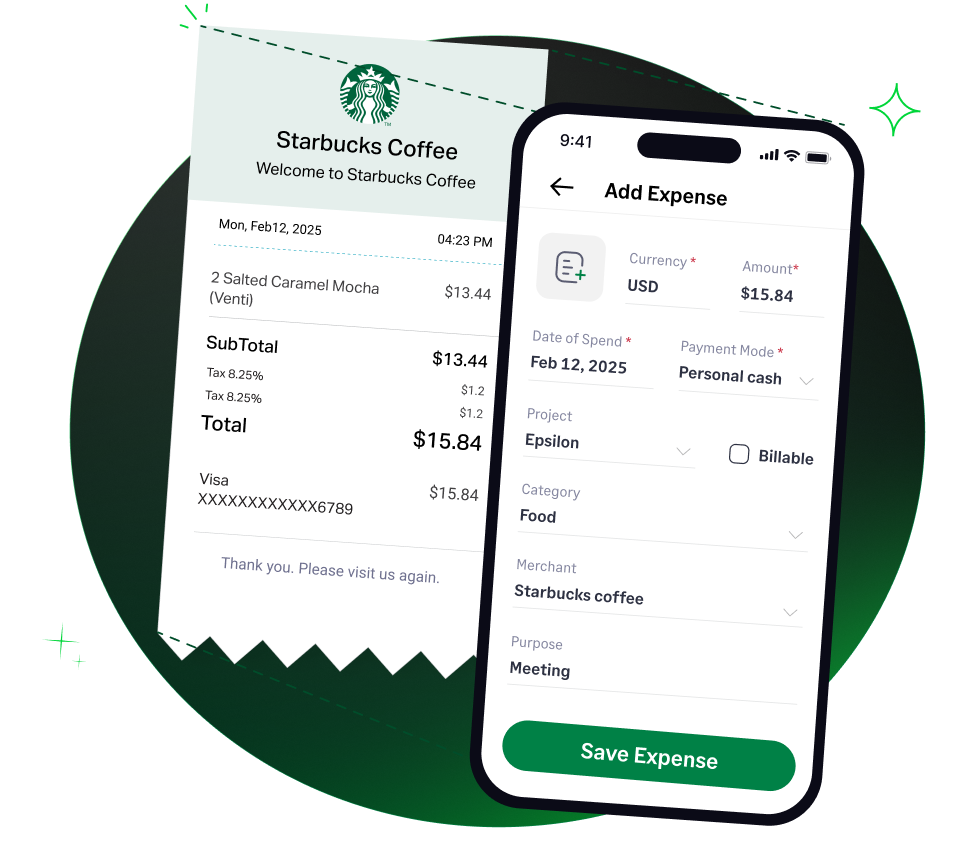
Sage Expense Management helps you capture and correctly categorize all your non-food supply purchases, ensuring you have a complete and compliant record for tax time.