

.webp)

When businesses struggle to break even, they begin to amass debt. And when this persists, the company will fold up before the owners realize it.
As much as profit is significant, many companies are concerned about staying afloat due to the global economic crisis. Additionally, you must invest money in tools, expertise, and resources to make money today.
A report by McKinsey stated that most business categories saw more than 10% growth in their online customer base. This shows that large companies use strategies to generate and save costs.
In this post, you’ll learn thirty-eight practical cost-saving ideas for companies, which will help you understand how these large companies are saving costs.
But before diving right in, here is what cost-saving is and why it is important.
What is Cost-Saving?
Cost-saving is the financial objective to reduce the excess expenses that occur in any business. When you save costs in your business, you’re cutting out the unwarranted and unexpected expenditures incurred for day-to-day business operations.
Irrespective of your company size or industry, saving costs is essential. It safeguards your financial bottom line and provides insight into your business's current financial state.
Why Should Large Companies Consider Saving Costs?
Companies must save costs to survive during a crisis. Large companies can properly allocate resources and run company operations when they save costs.
For instance, during the pandemic, many companies were hard hit. However, those who had the funds to invest in technology easily adapted and found other means to serve their customers.
They could also scale and implement their employee welfare schemes to improve employee mental health and employee-employer relationships.
How to Understand Your Organization’s Cost Structure?
Before embarking on cost-saving initiatives, it’s essential to have a clear understanding of a company’s financial landscape. Here’s how you can do it:
Conduct a Comprehensive Cost Analysis
A thorough examination of all expenses. This involves:
- Categorizing costs: Break down expenses into various categories, such as labor, materials, overhead, marketing, and administrative costs.
- Identifying cost drivers: Determine factors that significantly impact each cost category.
- Analyzing cost trends: Identify patterns in spending over time to pinpoint areas of growth or decline.
Identify Key Cost Drivers
Once costs are categorized, focus on identifying key cost drivers that have the most significant impact on overall expenses. These could include:
- Labor costs: Salaries, wages, benefits, overtime, and training expenses.
- Material costs: Raw materials, components, and packaging.
- Marketing and sales costs: Advertising, promotions, sales commissions, and customer acquisition costs.
Benchmark Against Industry Standards
Benchmarking is a strategic tool that empowers businesses to assess their performance and cost position relative to competitors and industry standards. Companies can gain valuable insights into their strengths and weaknesses by comparing activities, products, and processes across various dimensions.
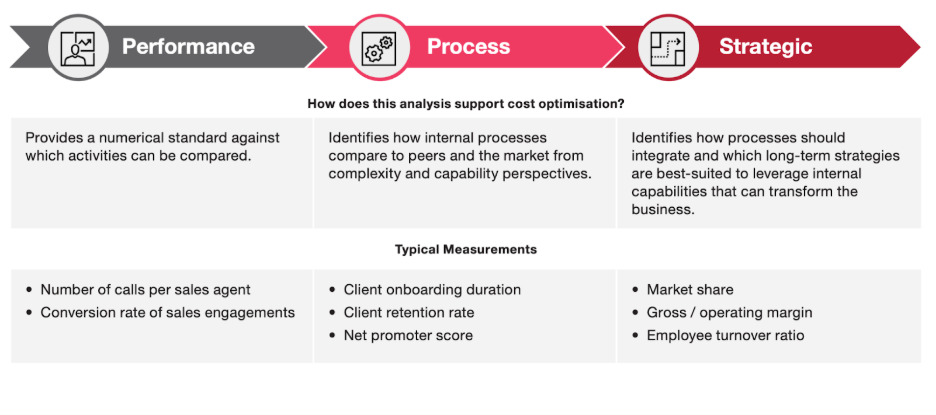
Benchmarking analysis typically focuses on the business's performance, process, or strategic aspects. However, these interconnected areas make it essential to consider their interplay. The ultimate goal of benchmarking is to identify the underlying drivers of performance, differentiate core competencies, and uncover opportunities for improvement.
The benchmarking process involves meticulously comparing operations against industry best practices to identify cost reduction and efficiency opportunities. The insights gained from this analysis enable informed decision-making, aligning cost allocations with strategic objectives. Businesses can foster agility, competitiveness, and financial health by integrating benchmarking with strategic planning.
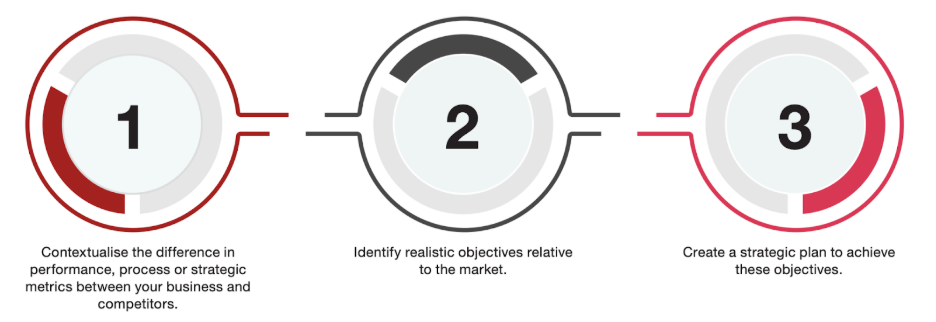
Through benchmarking, companies can:
- Identify areas of underperformance compared to industry standards.
- Uncover opportunities to streamline processes and reduce costs.
- Align cost allocations with strategic priorities.
- Enhance decision-making through data-driven insights.
- Foster a culture of continuous improvement.
By systematically applying benchmarking principles, organizations can achieve sustainable cost reductions while driving overall business performance.
43 Effective Cost-Saving Ideas for Large Companies
Optimizing Operations
1. Streamline Supply Chain Management
Conduct a thorough evaluation of suppliers to identify areas for cost reduction. Optimize inventory levels and transportation routes to minimize expenses.
2. Implement Lean Manufacturing Principles
Embrace lean methodologies to eliminate waste and improve efficiency. Focus on value-added activities and implement a continuous improvement culture.
3. Improve Inventory Management
Categorize inventory based on value and usage to prioritize management efforts. Accurately forecast demand to avoid stockouts and excess inventory.
4. Optimize Logistics And Distribution
Utilize advanced software to plan efficient delivery routes and select the most cost-effective transportation modes. Optimize warehouse layout and operations to reduce handling costs.
5. Automate Processes Where Possible
Implement robotic process automation (RPA) to streamline repetitive tasks. Leverage artificial intelligence (AI) and machine learning to improve efficiency and decision-making.
6. Utilize Data Analytics For Operational Efficiency
Track key performance indicators (KPIs) to measure operational efficiency and identify improvement areas. Employ predictive and prescriptive analytics to optimize decision-making.
7. Outsource Non-Core Functions
Identify tasks that external providers can perform more efficiently and outsource them. Carefully select and negotiate with outsourcing partners to ensure cost-effectiveness and quality.
8. Implement A Robust Procurement Strategy
Analyze spending patterns to identify cost-saving opportunities within the supply chain. Build strong relationships with suppliers and leverage e-procurement systems to streamline purchasing.
9. Cancel Unnecessary Software Licenses
Identify and eliminate "Shadow IT" by auditing merchant spend across all departments. Large companies often suffer from subscription creep, where duplicate tools are purchased independently for inactive users.
10. Evaluate Company Perks
Analyze the usage rates of existing employee benefits to ensure they provide a high return on investment. In a hybrid work environment, traditional perks like office catering or on-site amenities may be underutilized. Transitioning to flexible, data-backed benefits ensures you are spending on perks that drive retention and productivity rather than maintaining stagnant overhead.
11. Reduce Business Travel
Encourage a "virtual-first" approach for internal meetings to cut down on high-cost travel and lodging. For essential trips, enforce the use of preferred vendors to ensure the company captures negotiated enterprise rates and volume discounts.
Human Capital Optimization
Invest in employee development and well-being to boost productivity and retention. Implement flexible work arrangements to reduce overhead costs and attract top talent.
12. Talent Acquisition and Retention Strategies
Optimize the hiring process to reduce costs and improve time-to-hire. Implement effective retention strategies to minimize turnover expenses.
13. Employee Engagement and Productivity Initiatives
Foster a positive work environment to enhance employee morale and productivity. Conduct regular employee surveys to identify areas for improvement.
14. Training And Development Programs
Invest in employee training and development to improve skills and reduce the need for external hires. Offer opportunities for career advancement to boost employee satisfaction.
15. Performance Management Systems
Implement a robust performance management system to align employee goals with organizational objectives. Offer performance-based incentives to motivate employees and improve productivity.
16. Compensation And Benefits Review
Regularly assess compensation packages to ensure competitiveness while controlling costs. Offer a mix of traditional and non-traditional benefits to attract and retain talent.
17. Employee Wellness Programs
Promote employee well-being through wellness programs to reduce absenteeism and healthcare costs. Create a healthy work environment to boost employee morale and productivity.
Technology and Innovation
Invest in cost-saving technology to automate processes and improve efficiency. Leverage cloud computing to reduce infrastructure costs and enhance scalability.
18. Invest In Cost-Saving Technology
Implement automation tools to streamline operations and reduce labor costs. Explore emerging technologies like artificial intelligence and machine learning to optimize processes.
19. Leverage Cloud Computing
Transition to cloud-based solutions to reduce IT infrastructure costs. Utilize cloud-based applications to improve collaboration and productivity.
20. Cybersecurity Measures
Implement robust cybersecurity measures to protect sensitive data and prevent costly breaches. Regularly update security systems and train employees on cybersecurity best practices.
21. Digital Transformation Initiatives
Implement robust cybersecurity measures to protect sensitive data and prevent costly breaches. Regularly update security systems and train employees on cybersecurity best practices.
22. Research And Development Efficiency
Prioritize research and development projects based on their potential return on investment. Collaborate with external partners to share costs and expertise.
Financial Management
Implement robust cash flow management strategies to optimize working capital. Monitor accounts receivable closely and offer incentives for early payments.
23. Cash Flow Management
Improve cash flow forecasting and collection processes to reduce reliance on external financing. Explore options for early payment discounts and factoring.
24. Accounts Receivable Optimization
Improve cash flow forecasting and collection processes to reduce reliance on external financing. Explore options for early payment discounts and factoring.
25. Accounts Payable Optimization
Negotiate favorable payment terms with suppliers to extend payment cycles. Implement early payment discount programs to optimize cash flow.
Also read: 6 Ways Businesses Can Automate Accounts Payable
26. Debt Management
Develop a comprehensive debt management strategy to optimize the cost of capital. Explore refinancing opportunities and debt restructuring options.
27. Risk Management
Identify potential financial risks and implement strategies to mitigate them. Purchase insurance coverage to protect against unforeseen losses.
28. End unprofitable client contracts and products
Perform a rigorous profitability analysis on your current product lines and client agreements to identify "margin drains." By sunsetting low-margin products or renegotiating/exiting unprofitable client relationships, you can reallocate your resources toward high-growth, high-margin opportunities that drive true bottom-line success.
29. Tax Optimization
Stay updated on tax laws and regulations to minimize tax liabilities. Implement tax planning strategies to optimize tax efficiency.
Also read: Business Expenses: Your Complete Guide to Tax Deductions, Tips, and More
30. Real Estate and Facilities
Optimize office space utilization to reduce rental costs. Implement energy-efficient practices to lower utility bills.
31. Energy Efficiency Measures
Conduct energy audits to identify areas for improvement. Invest in energy-saving equipment and lighting.
32. Facilities Maintenance and Repair
Implement a preventive maintenance program to extend the life of equipment and reduce repair costs. Negotiate favorable maintenance contracts with service providers.
33. Flexible Workspace Options
Offer flexible work arrangements to reduce office space requirements. Explore options like hot desking, co-working spaces, and remote work.
Marketing and Sales
Optimize marketing campaigns to maximize ROI and reduce costs. Implement lead scoring and nurturing to improve conversion rates.
34. Customer Relationship Management Optimization
Leverage CRM data to identify high-value customers and tailor marketing efforts accordingly. Automate routine CRM tasks to improve efficiency.
35. Sales Force Optimization
Implement sales performance metrics to identify top performers and areas for improvement. Provide targeted sales training to enhance productivity.
36. Pricing Strategies
Conduct regular price analysis to optimize profitability. Explore dynamic pricing strategies to adjust prices based on market conditions.
Bonus Cost-Saving Strategies
37. Create A List Of Preferred Vendor Base
Establish a preferred vendor list across departments to leverage bulk purchasing power and negotiate better deals.
38. Bring Your Own Device (BYOD)
Implement a BYOD policy to reduce the costs associated with providing company-owned devices.
39. Negotiate Contracts Long-Term
Secure long-term contracts with suppliers to lock in favorable pricing and terms.
40. Invest In Workflow Automation
Automate repetitive tasks to improve efficiency and reduce labor costs.
41. Hire Or Train Paraprofessionals
Utilize paraprofessionals for routine tasks to reduce reliance on highly skilled professionals.
42. Adopt Profitable Technology Trends
Stay updated on emerging technologies to identify cost reduction and process improvement opportunities.
43. Double Down on Improving Employee Engagement
Invest in employee engagement initiatives to boost productivity and reduce turnover costs.
44. Use Low-Cost Tools
Explore affordable software alternatives to reduce IT expenses.
Tips for improving cost saving
Communicate
Clear communication is the backbone of any cost-saving initiative. If your team doesn't understand the "why" behind budget changes, they are less likely to adhere to them.
Regularly share the company's financial goals and the impact of individual spending on the bottom line.
Transparent communication ensures that cost-saving is seen as a collective effort toward stability and growth rather than a top-down restriction.
Create and Use a Budget
A budget is only effective if it is used as a living document rather than a static forecast.
Establish granular budgets for specific projects or departments and use real-time tracking to monitor actual spend against these targets.
By utilizing tools that provide proactive alerts when you approach budget thresholds, you can take corrective action early, preventing minor overages from becoming significant financial deficits.
Get Employee Input
Your front-line employees often have the clearest view of operational waste and "hidden" costs.
Encourage team members to share insights on inefficient workflows or underutilized resources that the finance department might overlook.
By involving employees in the process, you not only identify practical saving opportunities but also foster a culture of ownership where everyone is invested in the organization's financial health.
Automate Expense Management
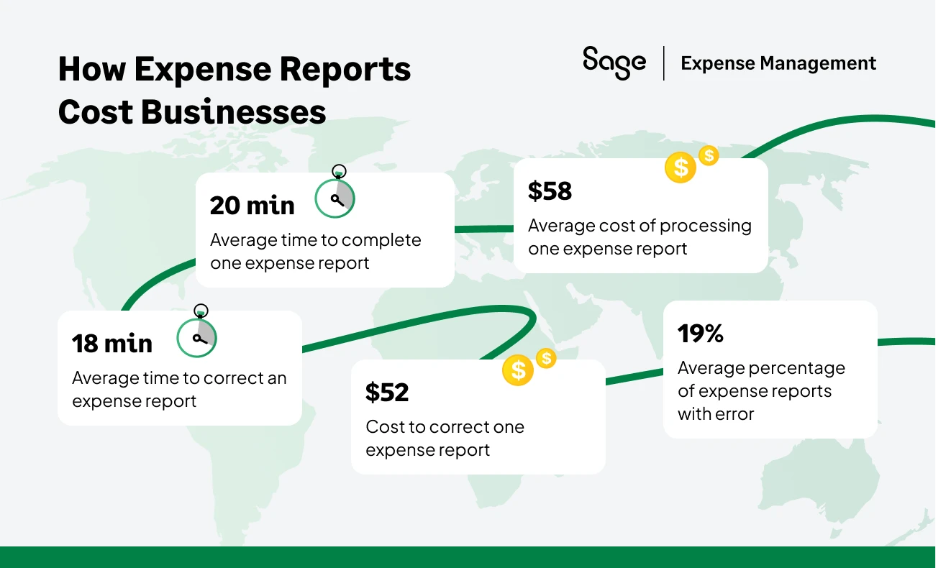
Implementing an expense management software like Sage Expense Management can help you automate and streamline expense reporting while significantly reducing administrative overload–forever changing your company’s approach to cost control.
With Sage Expense Management, you get automated expense coding, receipt management, and real-time visibility into company spending. This empowers employees to submit expenses quickly and accurately while finance teams gain better control over spending.
By integrating with credit card networks like Visa and Mastercard, Sage Expense Management also automated the entire credit card reconciliation process.
Another great way to drive enterprise-level cost saving is the platform’s newly upgraded Budgets feature, which addresses the "siloed spend" problem common in large organizations.
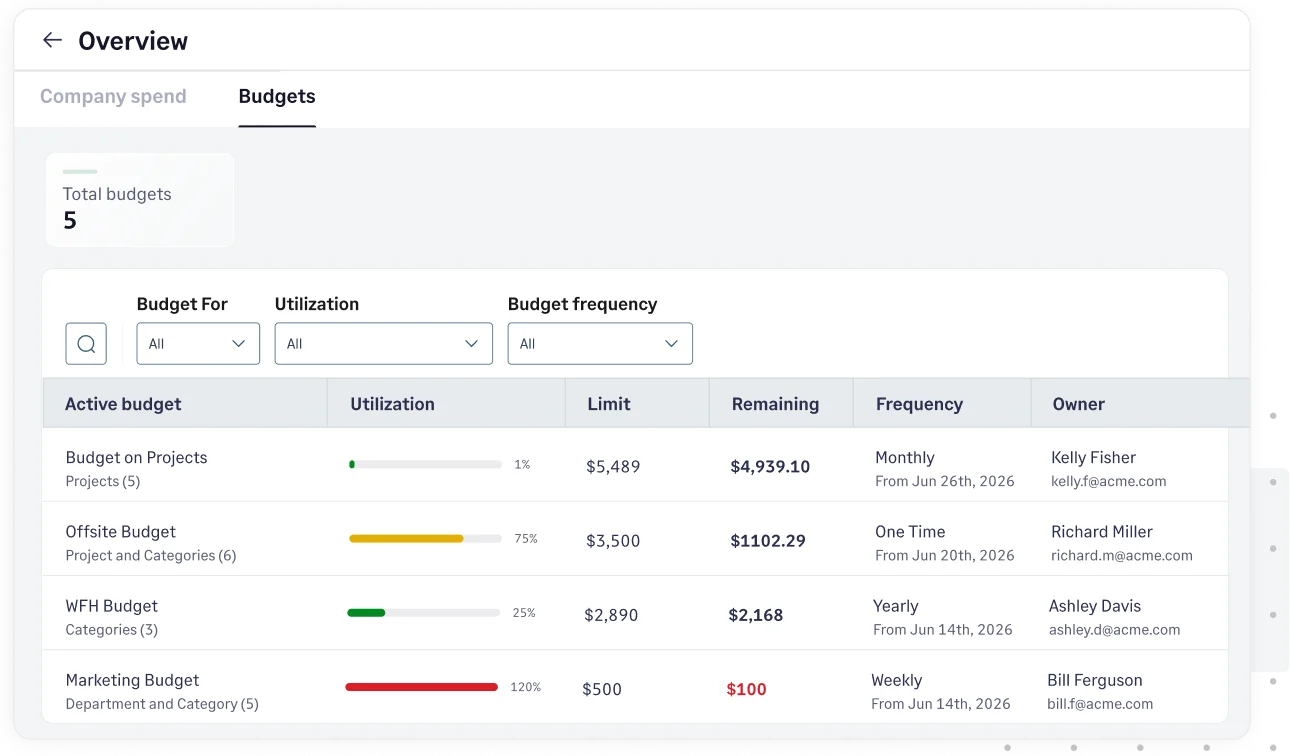
Admins can now move beyond closed-door budgeting by choosing visibility options that allow all contributing employees or specific project leads to see their own live "Progress Bar." This transparency enables spenders to see used vs. remaining amounts in real-time, allowing them to make informed decisions before a purchase is even made.
The system also reflects the way large businesses operate in the real world, supporting Monthly, Quarterly, Yearly, and One-time project budgets while removing less-used frequencies to reduce clutter.
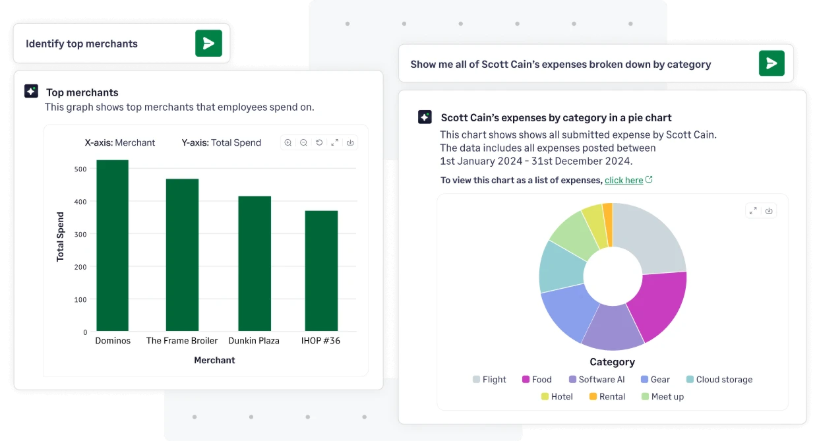
Sage Expense Management's CoPilot allows businesses to leverage AI-driven insights to identify cost-saving opportunities, negotiate better deals with suppliers, and establish more effective expense policies, all through simple conversational queries.
Some benefits you gain from automating expense management:
- Reduced processing time for expense reports
- Improved accuracy and compliance
- Enhanced visibility into spending patterns
- Faster reimbursements
- Increased employee satisfaction
By incorporating an expense management software into your cost-saving initiatives, you can achieve significant cost reductions while improving overall financial efficiency.
Summary
Effective cost management is essential for the long-term success of any large company. By implementing a combination of strategies outlined in this article, organizations can optimize their operations, reduce expenses, and improve profitability.
Remember, cost-saving is an ongoing process that requires continuous monitoring and evaluation. Regularly assess the effectiveness of your initiatives and adapt your approach as needed. By fostering a cost-conscious culture throughout the organization, you can achieve sustainable cost reductions and drive business growth.
Incorporating tools like expense management software can further streamline processes and enhance cost control. Businesses can make informed decisions and optimize their financial performance by leveraging technology and data-driven insights.
{{copilot="/cta-banners"}}