4.6/51670+ reviews
QuickBooks is one of the most widely used accounting software platforms for small and medium-sized businesses (SMBs). Whether you use QuickBooks Online, Desktop, or Self-Employed, the fees associated with the software and related services are necessary business costs. For accountants and business owners managing the books, knowing the correct expense category for these costs is essential for accurate financial reporting and tax preparation.
This guide clarifies how to classify QuickBooks expenses and discusses important considerations for handling them correctly.
QuickBooks costs are generally operating expenses necessary for managing business finances. The most appropriate expense category typically depends on the specific service:
(e.g., QuickBooks Online, Self-Employed, Desktop subscriptions)
Choose the category that best reflects the nature of the cost and apply it consistently for accurate financial tracking.
When recording QuickBooks costs, keep these factors in mind:
Most businesses now use QuickBooks via subscription (like QuickBooks Online). Subscription fees are treated as operating expenses over the service period. Older, perpetual Desktop licenses that were purchased outright might have been treated as capitalized assets depreciated over 36 months, but subscription accounting is now the norm.
Expenditures on accounting software like QuickBooks are typically considered ordinary and necessary expenses for managing a business effectively.
QuickBooks subscriptions are often paid monthly or annually. Annual subscription fees paid upfront should generally be allocated and expensed ratably over the 12-month coverage period, aligning with IRS rules on prepaid expenses.
If your QuickBooks subscription bundles multiple services (like payroll) and the costs are significant and easily separable, consider allocating the costs to their respective expense categories (e.g., Software Subscription, Payroll Processing Fees). However, often, the primary subscription fee is categorized based on the core accounting software function.
Maintain invoices and statements from Intuit QuickBooks that detail the service provided (e.g., QuickBooks Online Plus Subscription), the billing period, the cost, and proof of payment.
Common expenses related to using QuickBooks include:
(Note: Payment processing fees through QuickBooks Payments are usually treated differently, often as a reduction of sales revenue or a separate transaction fee expense, not a software cost).
Subscription fees for QuickBooks software used in your trade or business, as well as fees for related services like QuickBooks Payroll or professional support from ProAdvisors, are generally tax-deductible as ordinary and necessary business expenses.
The timing follows your accounting method and prepayment rules. Deduct subscription fees over the period covered. Monthly fees are deducted monthly. Annual fees paid upfront should generally be allocated and deducted ratably over the 12-month subscription term.
Standard QuickBooks Online subscription fees are operating expenses and are not capitalized. While significant costs related to developing custom software integrations could potentially require capitalization and amortization (often over 5 years for costs post-2021), standard QuickBooks usage fees are straightforward expenses.
For sole proprietors, QuickBooks expenses are reported in Part II (Expenses) on Schedule C (Form 1040):
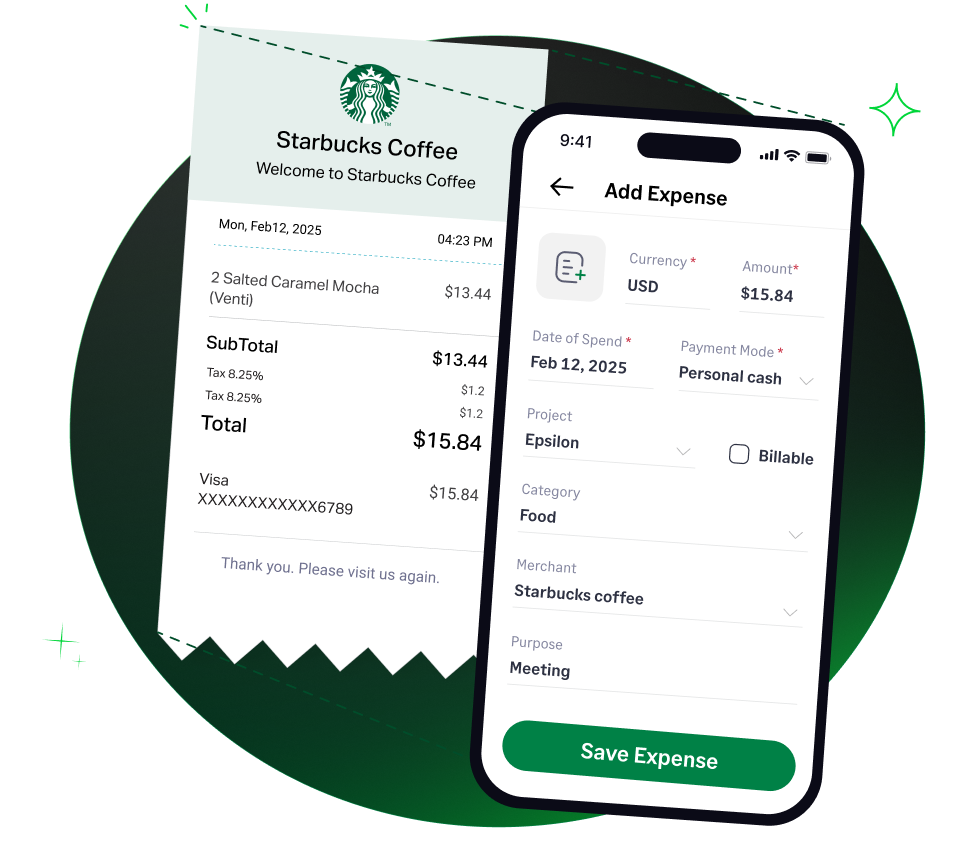
While QuickBooks is your core accounting system, Sage Expense Management is designed to ensure the accuracy and efficiency of the expense data flowing into QuickBooks. Our platform integrates deeply with QuickBooks Online and Desktop:
QuickBooks costs are essential operating expenses for most businesses using the software. Classifying subscription fees typically under software subscriptions or dues and subscriptions and related service fees under professional fees or payroll expenses ensures accurate reporting.
Remember to expense annual fees over the coverage period. By pairing QuickBooks with an integrated expense solutions tool like Sage Expense Management, you can ensure all your business expenses, including the cost of QuickBooks itself, are accurately recorded and managed efficiently.